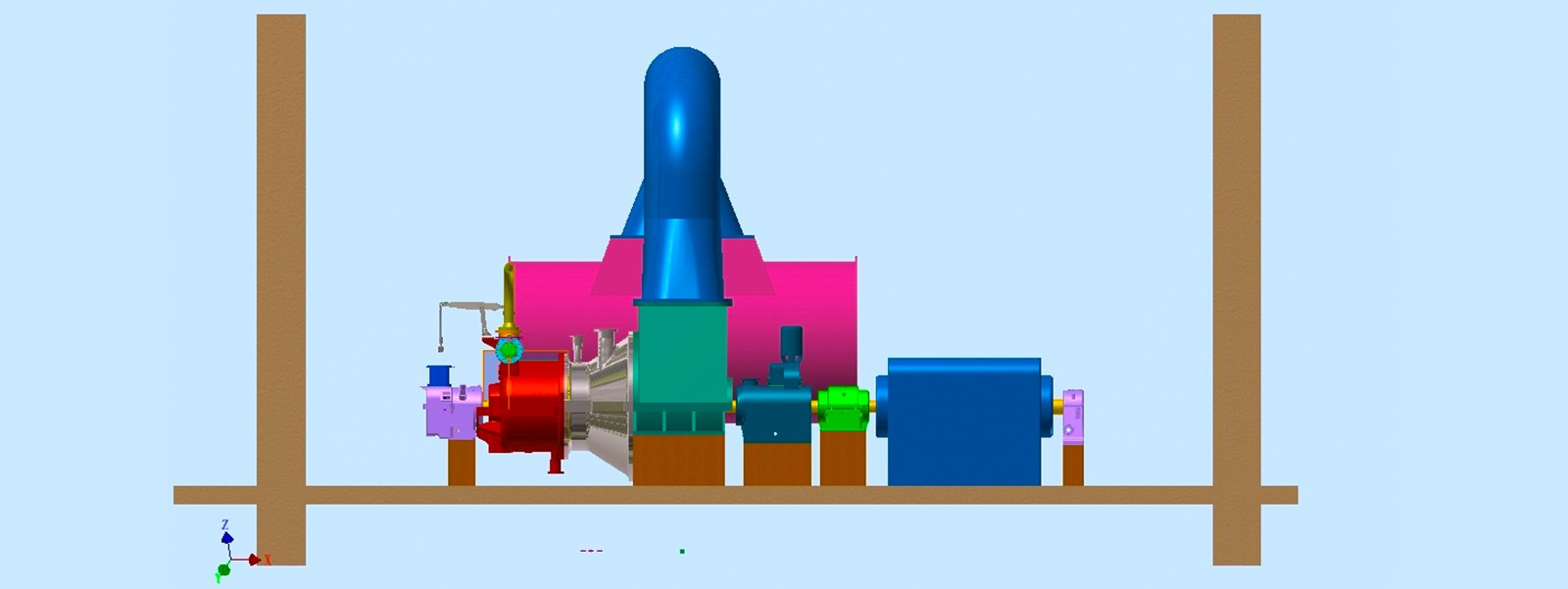
Steam turbine islands are the core of modern power plants, responsible for converting thermal energy into electricity with remarkable precision. As the global energy sector moves toward higher efficiency and sustainability, innovations in steam turbine island design and operation have become critical. By integrating advanced technologies, improving operational strategies, and focusing on environmental considerations, power generation facilities can achieve greater efficiency while reducing their environmental footprint.
The Evolution of Steam Turbine Islands
Historically, steam turbine islands were designed primarily for reliability and mechanical performance. Early models focused on simple energy conversion, with little consideration for optimization of fuel usage or emissions control. Over time, the need to increase thermal efficiency and reduce operational costs led to incremental improvements in turbine materials, blade design, and heat recovery systems.
Modern steam turbine islands now integrate sophisticated systems that allow operators to monitor performance in real-time. Digital control systems, predictive maintenance algorithms, and automated process optimization contribute significantly to operational efficiency. These advancements ensure that steam turbine islands can respond dynamically to varying energy demands while maintaining stability and performance.
Advanced Materials and Design Innovations
One of the most significant innovations in steam turbine islands is the development of advanced materials that withstand higher temperatures and pressures. Turbine blades and rotors made from superalloys and ceramic coatings allow for increased steam inlet temperatures, which directly improves thermal efficiency. Higher operating temperatures mean more energy can be extracted from steam, leading to a reduction in fuel consumption per unit of electricity generated.
Additionally, computational fluid dynamics (CFD) modeling has revolutionized blade and flow path design within steam turbine islands. By optimizing the aerodynamics of blades, engineers can reduce energy losses and improve overall efficiency. The incorporation of 3D blade geometries and tip clearance control mechanisms further minimizes leakage and maximizes energy conversion.
Digitalization and Smart Monitoring
The integration of digital technologies in steam turbine islands is another area of rapid innovation. Sensors embedded throughout the turbine provide real-time data on temperature, vibration, pressure, and flow rates. This information feeds into advanced control systems that can adjust operational parameters instantaneously to optimize performance.
Predictive maintenance is also gaining prominence. By analyzing sensor data and historical performance trends, operators can anticipate potential failures and schedule maintenance proactively. This reduces unplanned downtime and extends the lifespan of critical components within the steam turbine island.
Furthermore, artificial intelligence (AI) algorithms are being applied to optimize steam paths and load distribution. AI-driven controls can identify patterns that human operators might miss, allowing the steam turbine island to operate at peak efficiency under varying demand scenarios.
Enhancing Sustainability Through Heat Recovery
Sustainability is a central focus of modern power generation, and steam turbine islands are evolving to meet environmental standards. One key innovation is the incorporation of heat recovery systems. By capturing residual heat from exhaust steam, combined-cycle configurations allow power plants to generate additional electricity without consuming more fuel.
Steam turbine islands are increasingly being paired with renewable energy sources, such as biomass or solar-thermal inputs, to reduce carbon emissions. Hybrid systems leverage the efficiency of conventional steam turbines while incorporating cleaner energy inputs, contributing to a more sustainable energy grid.
Water management is another sustainability measure integrated into steam turbine islands. Advanced condensers, closed-loop cooling systems, and water treatment technologies reduce water consumption and minimize thermal pollution in nearby water bodies. These measures are essential for power plants operating in regions with limited water resources.
Operational Flexibility and Load Following
Modern energy grids require power plants to operate flexibly to accommodate fluctuations in electricity demand. Steam turbine islands are being designed for enhanced load-following capability, allowing plants to ramp output up or down efficiently. This flexibility is especially important in grids with high penetration of intermittent renewable energy sources, such as wind and solar.
Innovations in valve control, bypass systems, and turbine sequencing allow steam turbine islands to adapt quickly to changing loads. These technologies not only enhance grid stability but also improve the overall efficiency of the plant by reducing energy losses during partial-load operations.
Emission Reduction Technologies
Reducing emissions from power generation is a key driver for innovation in steam turbine islands. Advanced combustion control, improved heat rate, and integration with flue gas treatment systems reduce the release of pollutants such as NOx, SOx, and particulate matter. Combined with heat recovery and fuel efficiency measures, these innovations allow steam turbine islands to meet stringent environmental regulations while maintaining high performance.
Additionally, carbon capture and storage (CCS) technologies are being explored in conjunction with steam turbine islands. By capturing CO2 emissions before they enter the atmosphere, CCS allows traditional fossil-fueled power plants to operate more sustainably, bridging the gap toward a low-carbon energy future.
Case Studies of Innovative Steam Turbine Islands
Several recent projects highlight how innovations in steam turbine islands are transforming power generation. For instance, combined-cycle plants in Europe and Asia have achieved efficiency levels exceeding 62% by integrating advanced high-pressure turbines, AI-based control systems, and heat recovery configurations. These plants demonstrate how modern steam turbine islands can operate efficiently while minimizing environmental impact.
In addition, some projects have integrated renewable energy sources directly into the steam turbine island configuration. Solar-thermal input, for example, preheats feedwater before it enters the boiler, reducing fuel consumption and lowering emissions. These hybrid systems illustrate the versatility and adaptability of steam turbine islands in a changing energy landscape.
The Future of Steam Turbine Islands
Looking ahead, steam turbine islands will continue to evolve with a focus on digitalization, sustainability, and operational flexibility. Developments in additive manufacturing may allow for complex turbine components with optimized geometries and reduced material waste. Advanced monitoring systems will increasingly use AI and machine learning to predict performance, optimize efficiency, and prevent failures before they occur.
Furthermore, the integration of low-carbon and renewable energy sources will redefine the role of steam turbine islands. By combining traditional thermal generation with innovative hybrid systems, power plants can achieve high efficiency while meeting ambitious climate targets.
The convergence of these technologies ensures that steam turbine islands will remain a cornerstone of efficient, reliable, and sustainable power generation for decades to come.
Conclusion
Innovations in steam turbine islands are driving a transformation in power generation. From advanced materials and aerodynamics to digital monitoring, heat recovery, and emission reduction technologies, every aspect of the steam turbine island is being optimized for efficiency and sustainability. As energy demands grow and environmental regulations tighten, these innovations will ensure that steam turbine islands continue to play a vital role in delivering reliable, low-impact electricity to the world.
By embracing these technological advancements, power plants can achieve operational excellence, reduce their environmental footprint, and contribute to a sustainable energy future.
About the Author