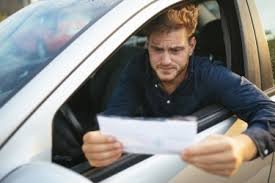
Careless driving is more than just a traffic violation—it can have devastating consequences for yourself and others on the road. When that careless behaviour results in bodily harm or death, the severity of the offence increases dramatically. In Ontario, charges for https://www.trafficparalegalservices.com/careless-driving/careless-driving-causing-bodily-harm-or-death/ are treated with heightened seriousness under the Highway Traffic Act, and the penalties reflect the law’s focus on road safety and personal accountability.
What Is Careless Driving Causing Bodily Harm or Death?
When a driver operates a vehicle without due care and attention or without reasonable consideration for other road users, this is generally considered careless driving. However, if that careless behaviour leads to bodily harm or the death of another person, the offence is elevated to a more serious category under Section 130(3) of the Ontario Highway Traffic Act.
This type of charge recognizes that a split‑second lapse in judgement—like failing to notice a pedestrian, misjudging a turn, or speeding in unsafe conditions—can cause life‑altering injury or loss of life. While intent is not required to secure a conviction, the law does require a causal connection between the careless driving and the resulting harm.
How This Offence Differs from Standard Careless Driving
Careless driving on its own already carries substantial consequences. But when bodily harm or death is involved, the legal framework changes in a few key ways:
- Severity of Penalties: In ordinary careless driving cases, fines and demerit points are standard. However, when there is bodily harm or death, the fines increase significantly, and the risk of incarceration becomes real.
- Long‑Term Impact: Convictions involving harm or death can affect your driving record for years, influence insurance rates, and even affect your employment if driving is part of your job.
- Proof Requirements: Prosecutors must not only show careless driving but also that the careless conduct led to serious injury or death. This added element makes these cases more complex and underscores the seriousness of such charges.
Penalties for Careless Driving Causing Bodily Harm or Death
Because of the grave outcomes that can result from such conduct, the legal consequences are steep:
- Fines: Courts can impose fines ranging from approximately $2,000 up to $50,000, depending on how severe the incident was and the specific circumstances.
- Licence Suspension: Your driver’s licence may be suspended for up to five years following a conviction.
- Demerit Points: Six demerit points are typically added to your driver’s record, which alone can have lasting insurance consequences.
- Jail Time: In the most serious cases, courts have the authority to impose a term of imprisonment for up to two years.
- Insurance Impact: Beyond legal penalties, insurance companies often dramatically increase premiums or even cancel coverage, making recovery from such a conviction financially burdensome.
Why These Charges Matter
Most drivers think of traffic tickets as minor infractions, but a careless driving charge, particularly one causing bodily harm or death, is far more serious than a simple speeding ticket. A conviction under this category carries not just legal and financial consequences, but also emotional and reputational ones. Being involved in an incident that injures or kills another person can affect you personally, socially, and professionally for years.
Moreover, because these incidents are judged according to what a reasonable driver would have done, even inadvertent lapses—like glancing at a phone or miscalculating stopping distances—can meet the legal standard for careless driving.
Common Examples Leading to Charges
Incidents that could trigger a careless driving causing bodily harm or death ticket include:
- Failing to yield to pedestrians, especially in crosswalks or school zones.
- Excessive speeding in areas with heavy traffic or reduced visibility.
- Distracted driving, such as using a mobile device when you should be focused on the road.
- Improper lane changes or unsafe passing that result in collisions.
These kinds of behaviours may seem minor at the time, but they can lead to catastrophic outcomes that the law is designed to punish and deter.
How to Respond If You’re Charged
If you are charged with careless driving causing bodily harm or death, taking immediate action can help protect your rights and your future. Key steps include:
- Review the Charge: Carefully examine the details of the ticket or summons to understand exactly what you’re being accused of.
- Gather Evidence: Collect all possible evidence, such as dashcam footage, witness statements, and photos from the scene, to help support your defence.
- Seek Professional Help: Engaging an experienced traffic paralegal or lawyer can make a substantial difference. These professionals understand the nuances of traffic law and can help challenge procedural issues or highlight mitigating factors.
- Prepare Your Defence: With legal guidance, you can explore strategic defences, potentially reducing the severity of the charge or achieving a more favourable outcome.
Being proactive early in the legal process can help ensure your rights are protected and may reduce the likelihood of the harshest penalties.
Conclusion
A charge of careless driving causing bodily harm or death is one of the most serious traffic offences under Ontario’s Highway Traffic Act. These charges bring steep fines, licence suspensions, demerit points, and potential jail time—especially when another person has been harmed or killed.
About the Author