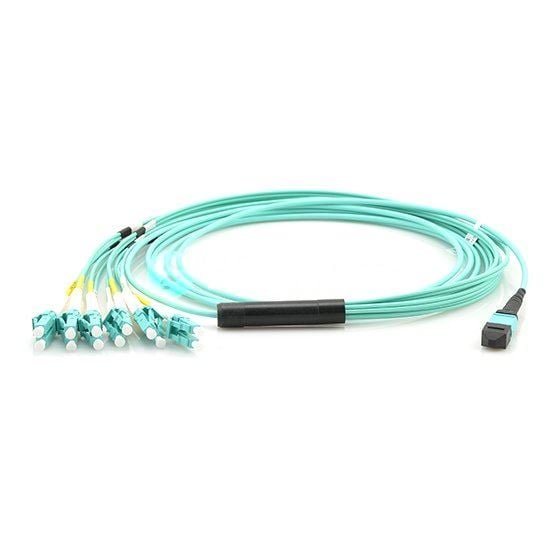
In today’s fast-paced digital world, high-speed networking has become essential for businesses, data centers, and telecommunication providers. As data traffic continues to grow exponentially, network infrastructure must evolve to handle increasing bandwidth demands efficiently. One critical component driving this evolution is the duplex fiber optic cable. Designed to facilitate reliable, high-speed data transmission, duplex fiber optic cable are a cornerstone of modern networking solutions. This article explores how duplex fiber optic cable enhances high-speed networking, its applications, advantages, and best practices for implementation.
Understanding Duplex Fiber Optic Cable
A duplex fiber optic cable consists of two separate optical fibers that enable bidirectional data transmission. Unlike single fiber solutions, which require multiple cables for two-way communication, duplex fiber optic cables simplify network design by integrating both transmit and receive fibers into a single cable assembly. This design reduces clutter, minimizes installation complexity, and ensures consistent performance across long distances.
Duplex fiber optic cables are available in two primary configurations: single-mode and multi-mode. Single-mode duplex fiber optic cables are ideal for long-distance, high-speed networks, offering low signal attenuation and high bandwidth over tens of kilometers. Multi-mode duplex fiber optic cables, on the other hand, are suitable for short-distance applications such as within data centers or local area networks, providing cost-effective solutions without compromising performance.
Fiber-mart offers a wide range of duplex fiber optic cables, including both single-mode and multi-mode options, ensuring compatibility with various network topologies and equipment standards.
Key Advantages of Duplex Fiber Optic Cable
Duplex fiber optic cable provides numerous advantages that make it a preferred choice for high-speed networking environments. These benefits directly contribute to improved network reliability, efficiency, and scalability.
High-Speed Data Transmission
One of the most significant advantages of duplex fiber optic cable is its ability to support high-speed data transmission. By separating transmit and receive signals into two fibers, duplex cables minimize interference and signal loss. This separation allows for stable data rates, which is critical for applications such as video streaming, cloud computing, and large-scale data transfers.
Reduced Network Complexity
Using duplex fiber optic cable simplifies network infrastructure by consolidating two fibers into one cable assembly. This consolidation reduces the number of physical connections, patch panels, and conduits required, leading to cleaner installations and lower maintenance efforts. For large-scale networks, such as those in data centers, this simplification translates into faster deployment and easier troubleshooting.
Enhanced Signal Integrity
Duplex fiber optic cables are designed to maintain high signal integrity over long distances. Single-mode duplex cables, in particular, provide minimal attenuation and low dispersion, ensuring that high-speed signals reach their destination without degradation. This quality is essential for mission-critical applications where data loss or latency can impact performance.
Scalability and Future-Proofing
Investing in duplex fiber optic cable allows networks to scale efficiently. With the increasing adoption of 10G, 40G, and 100G Ethernet standards, duplex fiber optic cables provide a future-proof solution that can handle higher data rates without significant infrastructure changes. Fiber-mart’s duplex fiber optic cables are compatible with the latest transceiver modules, making them ideal for upgrading existing networks.
Cost-Effectiveness
While fiber optic technology may initially seem more expensive than traditional copper solutions, duplex fiber optic cable offers long-term cost savings. Its high bandwidth capacity reduces the need for multiple cables, lowers power consumption in network equipment, and minimizes maintenance costs. Over time, these factors contribute to a more economical and efficient network design.
Applications of Duplex Fiber Optic Cable
Duplex fiber optic cable is used across a variety of networking environments, from enterprise systems to large-scale telecommunication networks. Some key applications include:
Data Centers
Modern data centers demand high-speed, reliable connections to support cloud services, storage solutions, and server communications. Duplex fiber optic cables provide the necessary bandwidth and low latency required for these high-performance environments. They simplify cabling between switches, servers, and storage devices, reducing the potential for errors and downtime.
Telecommunication Networks
Telecommunication providers rely on duplex fiber optic cable for long-distance, high-capacity data transmission. Single-mode duplex cables are ideal for connecting central offices, network hubs, and customer premises, ensuring uninterrupted service and high-speed internet access for subscribers.
Enterprise Networks
In corporate environments, duplex fiber optic cables support internal networks, linking offices, meeting rooms, and server rooms. They enable fast data transfers, smooth video conferencing, and efficient cloud service integration, which are essential for modern business operations.
Industrial Applications
Industrial facilities that rely on automated processes and Internet of Things (IoT) devices benefit from duplex fiber optic cable’s high reliability and low latency. These cables support real-time monitoring and control systems, ensuring seamless communication between sensors, controllers, and central management systems.
Installation Best Practices
Proper installation of duplex fiber optic cable is critical to ensure optimal performance and longevity. Following industry best practices helps prevent signal loss, physical damage, and maintenance issues.
- Use appropriate connectors and adapters: Duplex fiber optic cables typically terminate with LC or SC connectors. Ensuring proper connector type and secure connections maintains signal integrity. Fiber-mart provides high-quality connectors and adapters compatible with their duplex fiber optic cables.
- Maintain proper bend radius: Fiber optic cables are sensitive to excessive bending. Adhering to manufacturer-specified bend radius prevents fiber breakage and signal degradation.
- Label and organize cables: Proper labeling and organization simplify troubleshooting and future upgrades. Using color-coded or numbered cables ensures efficient management in data centers or telecommunication closets.
- Test the network: After installation, conduct thorough testing using optical time-domain reflectometers (OTDR) or light source and power meters to verify signal strength and detect potential issues.
Conclusion
Duplex fiber optic cable is a cornerstone of modern high-speed networking, providing reliable, efficient, and scalable connectivity. Its ability to support bidirectional data transmission, maintain signal integrity, and simplify network infrastructure makes it an essential component for data centers, enterprise networks, and telecommunication systems.
By choosing high-quality duplex fiber optic cables from Fiber-mart, organizations can ensure optimal performance, future-proof their networks, and minimize long-term operational costs. As the demand for faster, more reliable networks continues to grow, duplex fiber optic cable remains a vital solution for meeting the challenges of today’s digital world.
Whether for short-distance connections within a data center or long-distance telecommunication links, duplex fiber optic cable delivers the performance and reliability required to support modern network systems. Investing in the right duplex fiber optic cable today ensures a robust and scalable network infrastructure for the future.
About the Author