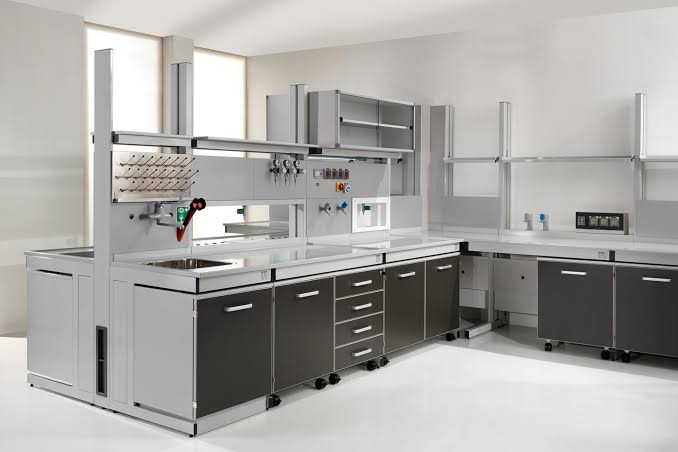
Modern research laboratories require more than advanced instruments and skilled professionals. The environment in which scientists, technicians, researchers, and students work also plays a major role in productivity, safety, organization, and efficiency. Well-designed Laboratory Furniture provides the foundation for a functional workspace, helping laboratories accommodate complex equipment, maintain clean working conditions, and support demanding research activities. From laboratory benches and storage cabinets to specialized workstations and seating, every piece of furniture contributes to creating an effective research environment.
The Importance of Laboratory Furniture in Modern Facilities
Laboratories handle a wide variety of activities, including chemical analysis, biological research, pharmaceutical development, educational experiments, and industrial testing. These activities often require specialized work surfaces, durable storage, and equipment-support systems. Standard office furniture cannot meet these requirements because laboratory environments may involve chemicals, moisture, heat, heavy instruments, and frequent cleaning.
High-quality Laboratory Furniture is designed specifically for these conditions. It can provide resistance against common laboratory hazards while offering researchers convenient access to equipment and materials. Proper furniture selection can also improve workflow by ensuring that essential tools, instruments, and supplies are positioned where they are needed.
Laboratory Benches for Productive Workspaces
Laboratory benches are among the most important components of any research facility. They provide stable surfaces for conducting experiments, preparing samples, operating instruments, and completing analytical tasks. Depending on the laboratory’s purpose, benches can be customized with different materials, dimensions, storage options, and utility connections.
A suitable laboratory bench should provide enough workspace without creating unnecessary congestion. Durable surfaces are particularly important because benches may be exposed to chemicals, spills, heat, and repeated cleaning. Materials such as epoxy resin, stainless steel, phenolic resin, and other specialized surfaces can be selected according to the laboratory’s requirements.
Ergonomic design is another important consideration. Proper bench height and adequate legroom can help researchers work comfortably for extended periods. Well-planned bench layouts can also improve movement between workstations and reduce unnecessary interruptions.
Storage Solutions for Better Organization
Laboratories often contain large quantities of chemicals, glassware, samples, tools, documents, and other supplies. Without appropriate storage, work areas can quickly become cluttered and inefficient. Laboratory storage furniture helps maintain organization while protecting valuable materials.
Storage cabinets, mobile units, shelving systems, wall cabinets, and drawer units can be used to accommodate different laboratory requirements. Specialized cabinets may also be necessary for particular substances or equipment. Clearly organized storage makes it easier for staff to locate supplies and return them after use.
Efficient storage planning can also contribute to laboratory safety. Keeping materials in designated locations reduces the risk of accidental spills, misplaced equipment, and blocked workspaces. Storage furniture should therefore be selected according to both capacity and laboratory safety requirements.
Safety and Durability Considerations
Safety is one of the most important factors when selecting Laboratory Furniture. Research environments may involve corrosive chemicals, high temperatures, biological materials, sharp equipment, and heavy instruments. Furniture should therefore be constructed from materials suitable for the specific working conditions.
Durability is equally important. Laboratory furniture is used frequently and must withstand daily cleaning, movement, and exposure to demanding conditions. Strong construction can reduce maintenance requirements and help extend the service life of the laboratory environment.
Rounded edges, stable frames, secure cabinets, adjustable components, and appropriate work surfaces can further contribute to a safer workplace. Furniture should also be arranged to maintain clear pathways and provide convenient access to required safety equipment.
Specialized Furniture for Different Laboratory Applications
Every laboratory has unique requirements, which means furniture should be selected according to the type of research being performed. A chemistry laboratory may require chemical-resistant benches and specialized storage, while a biology laboratory may prioritize easy-to-clean surfaces and equipment-support areas.
Medical and pharmaceutical laboratories may require specialized workstations designed for controlled environments. Educational laboratories often need flexible furniture that can accommodate multiple users and different types of experiments. Industrial laboratories may require heavy-duty benches capable of supporting large instruments.
Modular Laboratory Furniture offers flexibility for facilities that may change over time. Modular benches, cabinets, shelving, and workstations can often be rearranged or expanded as laboratory requirements evolve. This flexibility can be particularly valuable for growing research facilities.
Ergonomics and Researcher Comfort
Researchers can spend many hours performing repetitive tasks, analyzing samples, recording information, and operating instruments. Poorly designed furniture can make these activities uncomfortable and may negatively affect productivity.
Ergonomic laboratory furniture considers factors such as working height, seating position, reach distance, lighting, and workspace arrangement. Adjustable chairs and workstations can accommodate different users and tasks. Properly positioned equipment can also reduce unnecessary bending, stretching, and reaching.
A comfortable laboratory is not simply a matter of convenience. Better ergonomics can support concentration and help researchers maintain efficient working habits throughout the day.
Cleanliness and Maintenance
Cleanliness is essential in many laboratory environments, particularly where contamination can affect research results. Laboratory Furniture should therefore have surfaces that are easy to clean and maintain.
Seamless or carefully constructed work surfaces can minimize areas where dirt and contaminants may accumulate. Materials should be compatible with the cleaning products and procedures used within the facility. Furniture should also allow staff to clean around and underneath workstations effectively.
Regular maintenance can extend furniture life and preserve the appearance and functionality of the laboratory. Damaged surfaces, loose fittings, or worn components should be inspected and repaired promptly.
Flexible and Future-Ready Laboratory Design
Modern laboratories increasingly require flexible spaces that can adapt to new technologies and research methods. Fixed furniture layouts may become restrictive when equipment changes or research teams expand.
Flexible Laboratory Furniture can help facilities respond to these changes. Mobile workstations, adjustable benches, modular storage, and movable equipment supports can make it easier to redesign work areas. This adaptability can reduce the need for major renovations when laboratory requirements change.
Future-ready furniture should also consider technology integration. Workstations may need electrical outlets, data connections, equipment supports, and other utility access points. Planning these features in advance can make laboratory operations more convenient and organized.
Choosing the Right Laboratory Furniture
Selecting appropriate furniture requires careful consideration of the laboratory’s activities, available space, equipment, safety requirements, and future needs. Facility managers should evaluate the materials used in furniture construction, available customization options, load capacity, maintenance requirements, and overall durability.
It is also useful to consider how researchers move through the workspace. Frequently used equipment and supplies should be positioned within convenient reach, while storage areas should be organized to prevent unnecessary movement.
Quality should remain a priority when comparing furniture options. Lower-cost products may appear attractive initially, but poorly constructed furniture can require frequent repairs or replacement. Investing in durable and appropriately designed solutions can provide better long-term value.
Conclusion
Laboratory Furniture is a fundamental part of modern research infrastructure. The right combination of benches, storage systems, workstations, seating, and specialized furniture can create a laboratory that is safer, more organized, comfortable, and productive. By considering durability, ergonomics, cleanliness, flexibility, and application-specific requirements, laboratory managers can develop spaces that support both current research activities and future growth.
As laboratories continue to evolve with new technologies and research demands, adaptable furniture solutions will remain increasingly important. Thoughtful furniture selection is therefore not simply about furnishing a room; it is about creating an efficient environment where researchers can focus on innovation, accuracy, and meaningful scientific progress.
About the Author