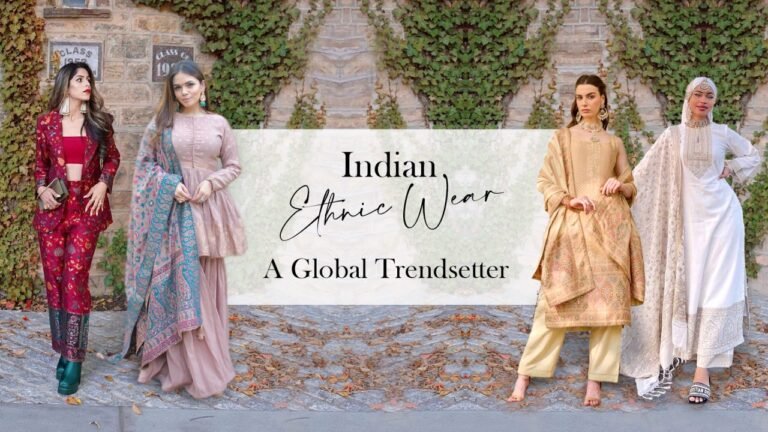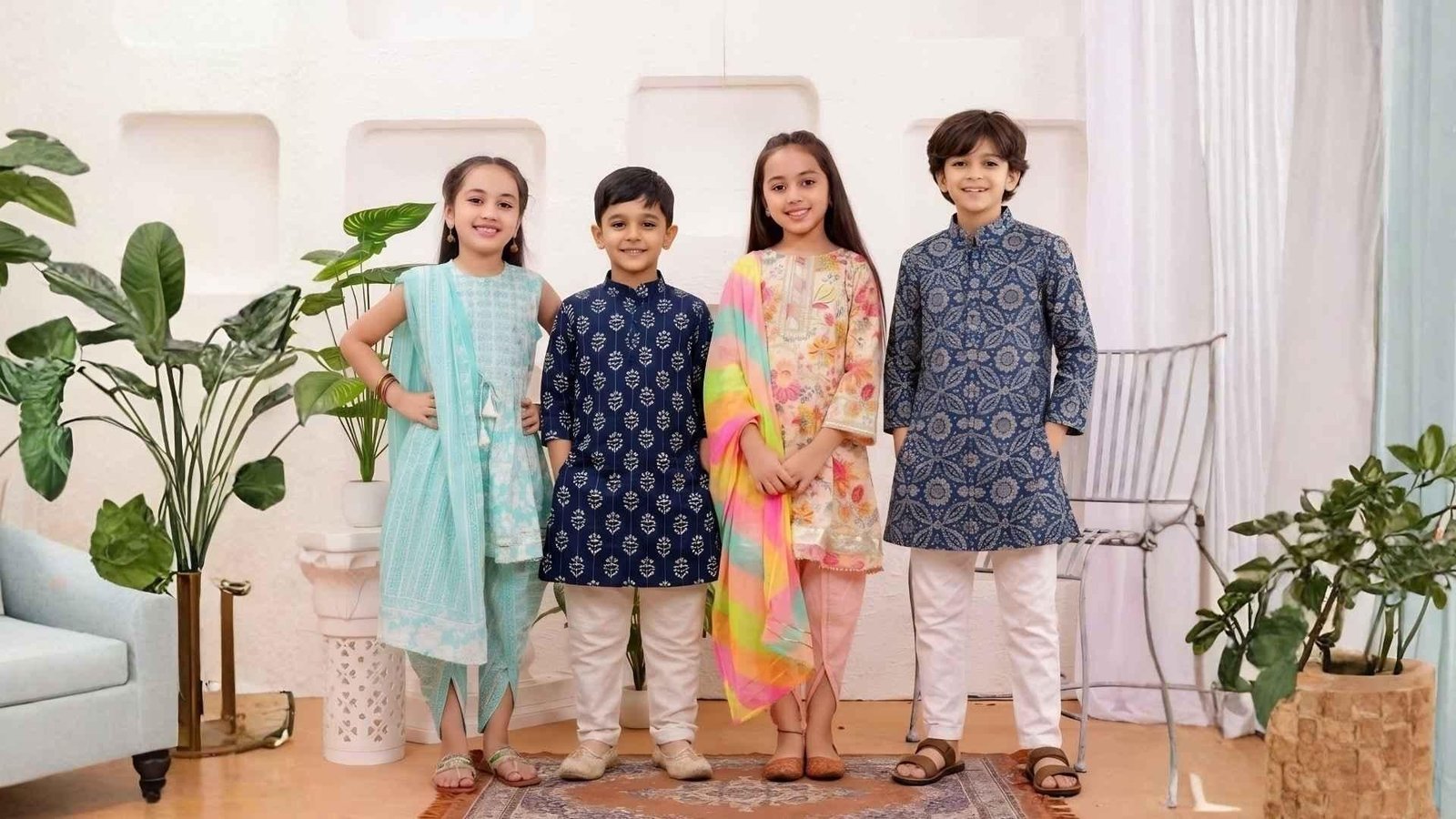
India is a land where culture, geography, and tradition weave together to form a rich tapestry of lifestyle and expression. Among all its cultural facets, few are as vibrant and expressive as the tradition of Indian ethnic wear. Across thousands of miles, as landscapes shift from snow-capped northern mountains to lush southern coastlines, Indian ethnic wear transforms dramatically. Each state brings its own textiles, draping techniques, color palettes, and embellishments, turning traditional garments into a living testament to regional identity and artistic heritage.
North India: Grandeur, Heavy Drapes, and Royal Textiles
In the northern region of India, cold winters, historical royal courts, and Mughal artistic influences have shaped a distinct tradition of Indian ethnic wear. Here, garments are often characterized by opulent fabrics, intricate embroidery, and regal silhouettes.
Jammu & Kashmir and Himachal Pradesh
In the northernmost realm, climate heavily influences traditional clothing. The iconic Pheran, a long woolens or silk tunic worn by both men and women in Kashmir, offers warmth while showcasing delicate Aari or Tilla threadwork. In Himachal Pradesh, traditional attire includes brightly colored woolen shawls like the Kullu shawl, paired with tailored suits and unique regional caps (Topis).
Punjab and Haryana
Moving down into the fertile plains, Punjab introduces high energy and vivid colors to Indian ethnic wear. Women commonly wear the classic Salwar Kameez accompanied by heavily embroidered Phulkari dupattas, celebrated for their geometric flower patterns. Men favor comfortable Kurta-Pajamas or Tehmats paired with colorful turbans (Pagri).
Uttar Pradesh and Rajasthan
Uttar Pradesh is famed for the refined elegance of Chikan work from Lucknow—subtle, hand-embroidered white-on-white muslin garments. In contrast, the desert state of Rajasthan bursts with brilliant color. Rajasthani traditional dress includes the Ghagra Choli with vibrant Bandhani (tie-dye) prints, Gota Patti applique work, and distinct Safi turbans worn by men to brave the desert sun.
South India: Graceful Silks, Golden Borders, and Temple Traditions
In South India, Indian ethnic wear emphasizes crisp cottons, rich handloom silks, elegant gold motifs, and silhouettes tailored for warmer, coastal climates.
Tamil Nadu
Tamil Nadu is world-renowned for the magnificent Kanjeevaram silk saree. Known for its heavy weave, temple-inspired borders, and contrasting zari patterns, the Kanjeevaram saree remains an essential element of South Indian bridal attire. Young girls traditionally wear the Pattu Pavadai, a half-saree ensemble crafted from bright silk fabrics. Men typically wear a pristine white Veshti (dhoti) paired with a silk shirt or shoulder drape.
Kerala
Simplicity and purity define the traditional attire of Kerala. The signature garment is the Kasavu, a crisp off-white cotton fabric trimmed with a gleaming gold thread border. Women wear the two-piece Mundum Neryathum or Kasavu sarees, while men wear the traditional Mundu. This minimalist color scheme reflects the tranquility and coastal environment of the region.
Andhra Pradesh, Telangana, and Karnataka
Andhra Pradesh and Telangana are famous for exquisite handloom traditions, including Pochampally Ikat and Dharmavaram silk sarees, celebrated for intricate dyed patterns. Karnataka contributes its renowned Mysore Silk sarees, famous for their smooth texture, luster, and minimalistic gold borders that radiate understated elegance.
East and Northeast India: Artistic Weaves and Indigenous Heritage
The eastern and northeastern states present a fascinating dimension of Indian ethnic wear, defined by unique indigenous motifs, natural silk cultivation, and distinct weaving techniques.
West Bengal and Odisha
West Bengal brings delicate craftsmanship to Indian ethnic wear. The airy Tant cotton saree is an essential daily garment, while Jamdani and Kantha stitch sarees highlight extraordinary hand embroidery. During major celebrations like Durga Puja, women wear the traditional Garad or Korial saree—white or ivory silk featuring a bold red border. In Odisha, handloom heritage shines through Sambalpuri and Bomkai ikat sarees, which incorporate tribal and nature-inspired motifs.
Assam and the Northeast
Assam is home to the world-famous Muga silk, a natural golden silk unique to the state. The traditional attire for Assamese women is the Mekhela Chador, a sophisticated two-piece draped garment. Across the northeastern states like Nagaland, Meghalaya, and Manipur, traditional wear is deeply tied to tribal heritage. Each tribe weaves distinct patterns, colors, and handwoven shawls (Innaphi in Manipur, tribal shawls in Nagaland) that signify community identity and social status.
West India: Vibrant Prints, Mirror Work, and Coastal Elegance
Western states blend coastal lightness with desert artfulness, resulting in some of the most dynamic variations of Indian ethnic wear.
Gujarat
Gujarat’s traditional fashion is a burst of color, texture, and geometry. During celebrations like Navratri, women wear elaborately embroidered Chaniya Cholis embellished with mirror work (Abhla Bharat), while men wear gathered jackets called Kediyu paired with Tulwar pants. Gujarat is also famous for the double-ikat Patola sarees of Patan, crafted through a meticulous weaving process passed down through generations.
Maharashtra and Goa
In Maharashtra, the signature attire for women is the nine-yard Nauvari saree, draped in a pant-like style that historical Maratha women wore for agility and horse riding. Paired with a traditional crescent-shaped nose ring (Nath), this look represents strength and grace. For formal occasions, Paithani silk sarees with peacock and floral motifs on rich gold borders remain the pinnacle of Maharashtrian heritage.
The Thread That Binds: Evolution and Unity in Diversity
While each state exhibits unique regional styles, the global appreciation for Indian ethnic wear continues to expand. Contemporary designers frequently blend regional elements—such as pairing Lucknowi Chikankari embroidery with Rajasthani Gota Patti, or draping a South Indian Kanjeevaram in modern silhouettes.
Despite the vast geographic variations in fabrics, cuts, drapes, and embellishments, Indian ethnic wear shares a core underlying philosophy: a deep respect for heritage, craftsmanship, and community identity. Whether it is a gold-bordered Kasavu from the south, a heavily embroidered Lehengha from the north, an exquisite Ikat from the east, or a mirrored Chaniya Choli from the west, every garment tells a compelling story of the region it originates from, preserving centuries of tradition while continuing to evolve seamlessly into modern fashion.
About the Author