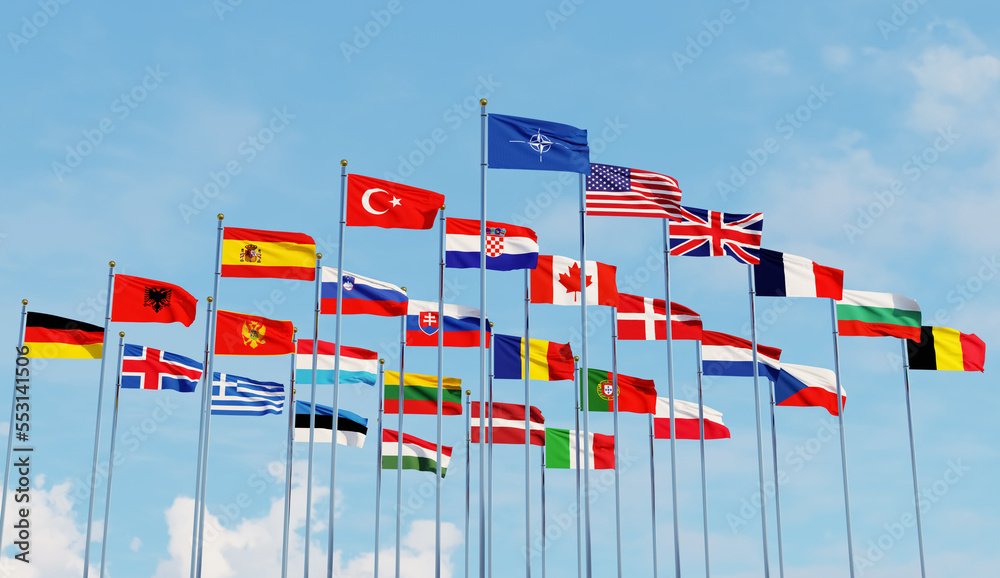
Flags are among the most dynamic and eye-catching marketing tools available to businesses, event organizers, and civic institutions. Whether fluttering outside a corporate headquarters, drawing attention to a grand opening, or marking the location of a festival, outdoor flags offer unmatched visibility. However, because they are constantly exposed to the elements, standard flags can quickly deteriorate, fading under the sun or fraying in high winds. When flags lose their vibrancy and structural integrity, they can negatively impact brand image, making a company look neglected or unprofessional. This is where advanced weather-resistant flag printing plays a crucial role. By combining durable fabrics, specialized inks, and cutting-edge production techniques, modern flag printing ensures that your visual displays remain striking, vibrant, and professional no matter what Mother Nature brings.
The Impact of Environmental Factors on Outdoor Flags
Before exploring how modern printing techniques solve outdoor display challenges, it is important to understand what flags endure on a daily basis. Outdoor environments subject textiles to a harsh combination of physical and chemical stressors.
Ultraviolet Radiation and Color Fading
The sun is perhaps the greatest enemy of outdoor signage. Ultraviolet (UV) rays break down the chemical bonds in standard fabric dyes, causing colors to fade rapidly. Reds, blues, and blacks can turn dull, washed-out shades within just a few weeks of direct sunlight exposure. For businesses relying on precise brand colors, color degradation is a major hurdle.
Moisture, Rain, and Mold Growth
Rain, humidity, and morning dew saturate fabrics repeatedly. When flags stay damp for extended periods, they become breeding grounds for mold, mildew, and bacterial growth. This not only creates unpleasant odors and unsightly stains but also weakens the fabric fibers over time, causing the material to rot and disintegrate prematurely.
Wind Stress and Mechanical Wear
Wind creates constant mechanical friction. As a flag flutters, the edges experience high-velocity snapping and stress, particularly at the fly end (the outer edge furthest from the pole). Without adequate reinforcement and durable materials, this constant motion leads to fraying, tearing, and structural failure.
What Makes Modern Flag Printing Weather-Resistant?
To combat these harsh environmental factors, the flag manufacturing industry has evolved far beyond traditional screen printing on basic cotton or cheap polyester. Today, specialized flag printing relies on a combination of advanced materials and chemical processes designed to withstand extreme weather.
Dye-Sublimation Technology
The gold standard in weather-resistant printing is dye-sublimation. Unlike surface-level printing methods where ink sits on top of the fabric, dye-sublimation uses heat to transform ink into a gas, allowing it to penetrate directly into the fibers of the material. Once cooled, the ink becomes an permanent part of the fabric. This process ensures that the colors remain remarkably vibrant, resistant to cracking or peeling, and capable of withstanding heavy UV exposure without immediate fading. Furthermore, dye-sublimation allows for brilliant color saturation on both sides of the fabric, ensuring high visibility even when the sun is shining from behind.
High-Performance Fabrics
The choice of substrate is just as important as the ink. Premium flag printing utilizes specialized knitted or woven synthetic polymers, most commonly trilobal polyester or knitted polyester. These materials offer an optimal balance of strength, lightweight flexibility, and breathability. Because the fabric allows wind to pass through easily, it reduces wind resistance and minimizes physical stress on the material. Additionally, synthetic polyesters absorb very little moisture, meaning they dry quickly after rain and are naturally resistant to mold and mildew.
Reinforced Finishing and Stitching
Even the best print will fail if the edges of the flag give way. Professional flag printing incorporates heavy-duty stitching, typically using multiple rows of lock-stitching or reinforced hems along the fly end. Some high-end flags also feature reinforced corner patches or grommets made from rust-resistant brass or heavy-duty webbing. These structural enhancements prevent the fabric from unraveling when subjected to powerful gusts of wind.
Long-Term Benefits of Investing in Durable Flag Printing
Choosing weather-resistant flag printing involves more than just keeping a piece of fabric intact; it delivers significant strategic and financial advantages for any organization.
Consistent Brand Image and Professionalism
Your outdoor signage is often the first point of contact potential customers have with your brand. A frayed, faded, or torn flag sends an unintentional message of neglect, suggesting that the business behind it may lack attention to detail. Conversely, a crisp, brilliantly colored flag signals quality, reliability, and professional pride. Maintaining visual appeal through superior printing ensures your brand always puts its best foot forward.
Cost-Effectiveness and Longevity
While cheap flags may seem like an economical choice upfront, their frequent need for replacement quickly drives up costs. A standard flag exposed to harsh sun and wind might need to be replaced every few months. In contrast, a high-quality weather-resistant flag can endure seasonal changes year after year. Investing in professional flag printing reduces recurring replacement expenses, lowering the total cost of ownership over time.
Reduced Maintenance and Hassle
Constantly monitoring, taking down, and replacing damaged signage is time-consuming and labor-intensive. Durable flags minimize maintenance overhead, allowing facilities and marketing teams to focus on core operations rather than routine property upkeep.
Best Practices for Maximizing Your Flag Life
While advanced printing and materials go a long way, proper care and handling can extend the lifespan of your flags even further.
Strategic Location and Installation
Ensure your flagpole is installed correctly and is free from nearby abrasive surfaces such as tree branches, rough walls, or sharp architectural details. Constant friction against physical obstructions will tear even the most durable fabric.
Knowing When to Take Them Down
Extreme weather events—such as severe tropical storms, blizzards, or hurricane-force winds—exceed the design limits of standard outdoor displays. Taking your flags down during severe weather alerts prevents unnecessary structural strain and preserves their condition for calmer days.
Routine Cleaning and Washing
Pollution, dust, and urban grime accumulate on outdoor fabrics over time. Most synthetic flags can be gently washed with mild detergent and cold water, then hung out to dry completely before storage. Regular cleaning prevents dirt from embedding permanently into the weave, keeping your colors bright and sharp.
Conclusion
Outdoor visual marketing relies heavily on first impressions and enduring presence. When your flags look sharp, vibrant, and professionally maintained, they capture attention and elevate your brand reputation. By understanding the environmental challenges outdoor textiles face and investing in advanced weather-resistant flag printing, you ensure that your visual displays withstand the elements with grace. High-grade dye-sublimation inks, robust synthetic fabrics, and reinforced stitching transform a simple piece of cloth into a resilient, long-lasting asset that proudly represents your message through every season.
About the Author