Introduction
Technology continues to transform the way people manage their daily activities, communicate, and monitor their health. Among the most popular wearable devices, the Smart Smart Watch represents the growing demand for convenient, connected, and practical Highest Rated Smartwatch technology. Smartwatches combine the traditional function of a wristwatch with modern digital features, helping users stay organized, track physical activity, and access important information throughout the day.
Whether someone wants to monitor fitness progress, receive smartphone notifications, manage a busy schedule, or enjoy convenient wireless connectivity, a smartwatch can provide several useful features in one compact device. As wearable technology continues to advance, smartwatches are becoming increasingly valuable for students, professionals, athletes, and people with active lifestyles.
Understanding the features, benefits, and available options can help buyers choose a smartwatch that meets their everyday needs.
What Is a Smart Smart Watch?
A smart smartwatch is a wearable electronic device designed to provide more functionality than a conventional wristwatch. While traditional watches primarily display the time, smartwatches can connect to compatible smartphones and provide access to notifications, activity tracking, applications, and other digital services.
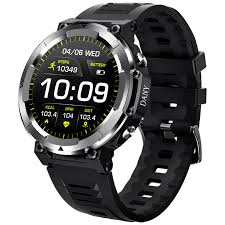
Most smartwatches feature a touchscreen display, rechargeable battery, wireless connectivity, and built-in sensors. Depending on the model, users may also find GPS navigation, heart rate monitoring, sleep tracking, music controls, and Bluetooth calling.
These features make a smartwatch a convenient companion for everyday activities. Instead of repeatedly checking a smartphone, users can view selected information directly from their wrists.
Smartwatches are available in different designs, sizes, and price ranges. Some models focus on basic notifications and fitness tracking, while advanced devices offer additional health-related measurements, navigation tools, and customizable applications.
Important Features of a Smart Smart Watch
Before purchasing a smartwatch, it is useful to understand the features that make these devices practical.
1. Fitness and Activity Tracking
Fitness tracking is one of the most popular reasons people purchase smartwatches. Many models can count daily steps, estimate calories burned, measure exercise duration, and record different physical activities.
Some devices include dedicated modes for walking, running, cycling, swimming, and other workouts. These tools allow users to review their activity history and understand their exercise habits over time.
Activity tracking can also encourage people to include more movement in their daily routines. However, measurements such as calorie estimates and distance calculations are not always perfectly accurate and should be treated as general guidance.
2. Health Monitoring Features
Many smartwatches include sensors that provide useful information about selected health measurements. Depending on the model, these features may include heart rate monitoring, sleep tracking, blood oxygen estimates, or alerts when certain measurements fall outside configured ranges.
Sleep tracking can help users understand their sleeping patterns, while heart rate information may provide insight into activity and recovery.
Not every smartwatch offers the same health features, and the availability of measurements depends on the device, region, and software. These features are intended to support general wellness rather than replace professional medical advice or diagnostic equipment.
3. Smartphone Notifications
A smart smartwatch can help users stay informed without constantly reaching for their phones. When connected to a compatible smartphone, it may display incoming calls, text messages, calendar reminders, and notifications from selected applications.
This feature is especially useful for people who are working, studying, traveling, or exercising. Users can often customize which notifications appear on the watch to avoid unnecessary distractions.
Certain models also support quick replies, voice assistants, or direct calling through Bluetooth or cellular connectivity.
4. Stylish Design and Customization
Modern smartwatches are available in a wide range of designs. Buyers can choose from sporty models, minimalist designs, classic watch-inspired styles, and premium-looking options.
Many devices support interchangeable straps and customizable watch faces. Users can change the appearance of their watches to suit different occasions, including work, exercise, and casual outings.
Display size, strap material, case design, and overall comfort are important considerations when selecting a device for everyday wear.
5. Battery Life and Charging
Battery life is another important factor when comparing smartwatches. Basic models may operate for several days on a single charge, while feature-rich devices with bright displays, GPS, and frequent connectivity may require more regular charging.
Battery performance depends on screen brightness, notification frequency, workout tracking, and other settings.
Before buying a smartwatch, users should check the manufacturer’s battery-life estimates and consider how often they are comfortable charging their devices.
Benefits of Using a Smart Smart Watch
A smartwatch can offer several advantages when its features match the user’s lifestyle.
Better Daily Convenience
One of the biggest benefits is quick access to information. Users can check the time, review notifications, set timers, and view reminders without taking their smartphones out of their pockets or bags.
For people with busy schedules, these small conveniences can make everyday tasks easier to manage.
Improved Fitness Awareness
Smartwatches can provide a clearer picture of daily movement and exercise habits. Step counts, activity summaries, and workout records help users recognize patterns and establish realistic fitness goals.
Rather than focusing exclusively on individual measurements, users can review longer-term trends and make gradual adjustments to their routines.
More Organized Schedules
Calendar alerts, alarms, timers, and reminders can help users remember appointments and complete tasks on time. Students may use these functions to manage study sessions, while professionals can receive meeting reminders throughout the workday.
These organizational tools make a smartwatch useful beyond fitness and communication.
Convenient Travel and Navigation
Selected smartwatches provide GPS navigation, route information, and location-based features. These functions can be helpful when walking, running, cycling, or exploring unfamiliar areas.
Some devices also allow users to control music playback or access travel-related notifications while moving.
Available navigation features depend on the model and whether a connected smartphone or internet connection is required.
How to Choose the Best Smart Smart Watch
Choosing the right smartwatch requires considering personal requirements rather than focusing only on appearance or price.
First, check smartphone compatibility. Some watches work best with a particular operating system, while others support multiple platforms with varying feature availability.
Second, compare the features you genuinely need. If your primary interest is exercise, look for reliable activity tracking, comfortable straps, and suitable workout modes. If communication is more important, consider notification support, microphone quality, speakers, and calling capabilities.
Third, examine display quality and comfort. A clear screen makes information easier to read, while a lightweight design can improve comfort during extended use.
Battery life should also influence your decision. A watch that requires frequent charging may be less convenient for people who travel regularly or want continuous activity tracking.
Finally, review water resistance, warranty coverage, software support, and the availability of replacement straps or charging accessories. Water resistance ratings differ, so users should verify whether a particular model is suitable for swimming or other water activities.
Smart Smart Watch for Different Lifestyles
A smartwatch can serve different purposes depending on the user’s routine.
For students, it can provide alarms, reminders, and selected notifications that support time management. However, notification settings should be adjusted when concentration is important.
For professionals, calendar alerts, quick notifications, and calling features can make communication more convenient during busy workdays.
For fitness enthusiasts, workout tracking, GPS, and activity summaries may help organize training sessions and monitor progress.
For travelers, navigation tools, alarms, and smartphone connectivity can provide useful assistance while moving between destinations.
People seeking a simple wearable device may prefer an affordable model with a clear display, basic notifications, and dependable battery life. More advanced users may benefit from additional applications and specialized sensors.
Smartwatch Technology and Future Developments
The smartwatch industry continues to evolve as manufacturers introduce improved sensors, more efficient processors, brighter displays, and better battery management.
Future developments may include more personalized activity insights, improved integration with other connected devices, and smarter notification systems. Software improvements may also help users interpret their daily activity information more conveniently.
Artificial intelligence could contribute to more useful summaries and personalized recommendations, although the availability and quality of these capabilities will vary between devices.
Privacy and data security will remain important considerations. Buyers should understand what information their watches collect, how that information is stored, and which permissions connected applications require.
As wearable technology develops, the most useful innovations will be those that improve convenience without making devices unnecessarily complicated.
Conclusion
A Smart Smart Watch combines traditional timekeeping with modern connectivity, activity tracking, and everyday organizational tools. From receiving smartphone notifications to reviewing fitness information and managing reminders, these wearable devices can make daily routines more convenient.
The best choice depends on individual priorities, including smartphone compatibility, battery life, comfort, display quality, health features, and budget. Comparing these factors before purchasing can help users find a device that provides genuine value.
As technology advances, smartwatches are likely to become even more capable and better integrated into everyday life. By selecting a model with practical features and dependable performance, users can enjoy the benefits of wearable technology while keeping their daily activities organized and connected.
About the Author