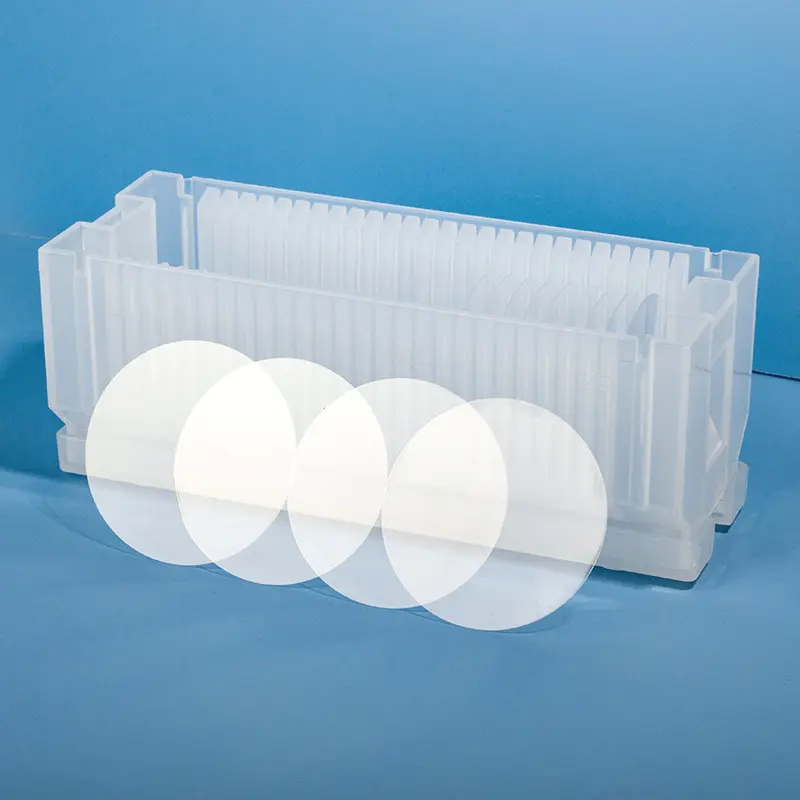
In various industrial, laboratory, and high-purity chemical processing applications, selecting the right equipment is paramount to ensuring operational efficiency, safety, and product integrity. Among the most critical components in systems handling corrosive chemicals, ultra-pure water, or high-temperature fluids is the liquid storage vessel. Over recent years, high-purity fused silica and specialized glass materials have gained immense popularity for their exceptional chemical inertness and thermal stability. Specifically, a Quartz Liquid Tank has become the gold standard for processes that demand zero contamination and resistance to extreme environments.
Choosing the right liquid storage system requires a deep understanding of material properties, engineering standards, and operational requirements. Whether you are upgrading an existing semiconductor manufacturing line, a pharmaceutical synthesis unit, or a specialized research laboratory, making an informed decision can prevent costly downtime, contamination issues, and structural failures. This comprehensive guide explores the essential features you must evaluate when investing in a reliable Quartz Liquid Tank.
Understanding the Material Superiority of Quartz
Before diving into the specific structural and functional features, it is vital to understand why quartz is chosen over traditional materials like stainless steel, plastics, or standard borosilicate glass. Natural and synthetic quartz glasses possess a unique molecular structure consisting of high-purity silicon dioxide. This composition yields several distinct advantages that directly influence the reliability of your liquid tank.
Exceptional Chemical Purity
In industries such as semiconductor fabrication, photovoltaic manufacturing, and biotechnology, even trace amounts of metallic or organic impurities can ruin an entire production batch. A high-grade Quartz Liquid Tank offers extreme chemical purity, often exceeding 99.999% silicon dioxide. Because quartz is virtually non-porous and chemically inert, it does not leach ions, trace metals, or organic compounds into the stored liquids. This ensures that ultra-pure acids, solvents, and deionized water remain uncontaminated throughout storage or processing cycles.
Superior Thermal Shock Resistance
Industrial processes often involve rapid temperature fluctuations, ranging from cryogenic cooling steps to high-temperature chemical reactions. Quartz has an extremely low coefficient of thermal expansion. This physical property allows a Quartz Liquid Tank to withstand drastic and sudden temperature changes without cracking, warping, or suffering structural degradation. Consequently, operators can safely subject the tank to thermal sterilization, high-heat processing, and rapid cooling cycles without compromising the vessel’s integrity.
Key Features to Evaluate in a Quartz Liquid Tank
When evaluating different manufacturers and custom fabrication options, several technical parameters and design characteristics demand careful scrutiny. To ensure long-term reliability, safety, and performance, pay close attention to the following key features.
1. Purity Grade and Raw Material Quality
The foundation of any reliable vessel is the quality of the raw material itself. Not all quartz is created equal. Manufacturers typically use two main types of quartz for industrial vessels: naturally occurring fused quartz and synthetic fused silica.
- Naturally Fused Quartz: Produced by melting high-purity quartz crystals, this option is cost-effective and suitable for many general high-temperature and chemical applications. However, it may contain microscopic trace elements such as aluminum, iron, or hydroxyl (OH) groups.
- Synthetic Fused Silica: Manufactured via chemical vapor deposition (CVD) processes, synthetic quartz offers exceptionally low impurity levels, often measuring in the parts-per-billion (ppb) range. It also features superior optical transmission and resistance to ultraviolet degradation.
When specifying your Quartz Liquid Tank, always request material certification sheets to verify the purity grade and ensure it aligns with your application’s purity thresholds.
2. Wall Thickness and Structural Integrity
Liquid storage vessels must endure internal hydrostatic pressure, mechanical stress from fluid movement, and external mounting forces. Because quartz is a form of glass, getting the wall thickness right is a delicate balance between mechanical strength and thermal shock resistance.
- Thicker walls provide greater resistance to physical impacts, mechanical wear, and high internal pressures.
- However, excessively thick walls can increase weight and reduce the tank’s ability to handle rapid thermal gradients uniformly.
A reputable manufacturer will perform structural engineering calculations based on your specific operating pressures, fluid volume, and temperature ranges to determine the optimal wall thickness for your Quartz Liquid Tank.
3. Precision Sealing and Flange Design
In many applications, a liquid tank does not operate in isolation; it requires inlet and outlet ports, drainage valves, sensor ports, and gas purging lines. The joints, flanges, and sealing mechanisms are frequently the weakest points in any fluid containment system.
- Look for precision-ground sealing surfaces that ensure a flush, leak-proof fit with PTFE, PFA, or specialized elastomer gaskets.
- Welded quartz nozzles and fused ports offer superior reliability compared to mechanical adhesives, which can degrade when exposed to aggressive acids like hydrofluoric or nitric acid.
- Ensure that the design of the Quartz Liquid Tank accommodates easy maintenance and cleaning, minimizing dead zones where particulate matter or chemical residues could accumulate.
4. Thermal Management and Heating Integration
Depending on your process, you may need to maintain precise fluid temperatures or perform active heating within the vessel. While quartz allows for excellent heat transfer, integrating heating elements requires careful engineering.
- Some advanced systems feature external jacketed designs or specialized immersion heating elements compatible with quartz enclosures.
- Uniform heat distribution prevents localized thermal stress hotspots that could compromise the structure of the Quartz Liquid Tank.
- If your application requires temperature control, ensure that thermocouple wells or temperature sensor ports are seamlessly integrated into the tank wall without creating structural vulnerabilities.
5. Customization and Dimensional Accuracy
Standard off-the-shelf tanks rarely fit complex industrial footprints or specialized machinery setups. Whether you require a cylindrical vertical vessel, a rectangular immersion bath, or a multi-compartment cascade rinsing system, customization capability is crucial.
- Precise dimensional tolerances ensure that the Quartz Liquid Tank integrates smoothly into existing wet benches, chemical delivery skids, or automated robotic handling systems.
- Custom port configurations, sight glasses, overflow lips, and specialized support brackets should be discussed with the manufacturer during the initial design phase to eliminate costly field modifications.
Safety, Installation, and Maintenance Best Practices
Investing in a high-quality vessel is only half the battle; proper handling, installation, and maintenance are equally critical to maximizing its operational lifespan. Because quartz shares brittle characteristics with glass, adherence to safety protocols is non-negotiable.
Handling and Mechanical Protection
During transportation, installation, and daily operation, a Quartz Liquid Tank must be protected from mechanical shock, sharp impacts, and torsional stress. Even minor surface scratches or micro-cracks can act as stress concentrators, potentially leading to catastrophic failure under pressure or thermal load. Using cushioned mounting rings, vibration dampeners, and protective outer shields (such as secondary containment or polymer housings) can significantly enhance safety in busy industrial environments.
Cleaning and Chemical Compatibility Protocols
One of the primary reasons to choose a Quartz Liquid Tank is its resistance to aggressive chemicals, including most strong acids and solvents. However, hydrofluoric acid (HF) and hot caustic solutions can etch or dissolve quartz over time. Always verify the chemical compatibility of your process fluids with silicon dioxide. Establish a rigorous cleaning and passivation schedule using approved ultra-pure cleaning agents to prevent particulate buildup and extend the operational life of the equipment.
Making the Final Investment Decision
Choosing the right liquid storage solution requires balancing material purity, thermal resilience, structural design, and specific application demands. By prioritizing high-grade raw materials, precision engineering, robust sealing mechanisms, and appropriate wall thickness, you can secure a dependable system that delivers years of trouble-free operation.
A well-engineered Quartz Liquid Tank represents a critical asset in maintaining uncompromising quality standards, protecting sensitive chemical processes, and ensuring workplace safety. Take the time to consult with experienced quartz fabricators who can tailor the vessel to your exact specifications, and view this investment as a cornerstone of your facility’s long-term operational success.
About the Author