Introduction
Wire drawing and wire rod working machines play an essential role in modern manufacturing by transforming metal rods into wires of different diameters, strengths, and surface finishes. These machines are widely used in industries such as construction, automotive manufacturing, electrical engineering, telecommunications, and metal fabrication. As demand for high-quality metal products continues to grow, manufacturers rely on advanced machinery to improve production efficiency, maintain consistent quality, and reduce material waste.
From producing thin electrical wires to manufacturing strong steel wires for industrial applications, wire processing equipment supports a wide range of commercial and industrial requirements. Understanding how these machines work, their main types, and their benefits can help manufacturers select the right equipment for their production needs.
What Are Wire Drawing And Wire Rod Working Machines?
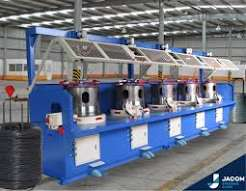
Wire Drawing And Wire Rod Working Machines are specialized industrial systems designed to process metal rods and reduce their diameter to specific dimensions. Wire drawing machines generally pull metal through one or more dies, which gradually decrease the material’s cross-sectional area while increasing its length.
Wire rod working machines cover a broader range of equipment used to prepare, shape, straighten, draw, and process wire rods. Depending on the application, this machinery may include descaling units, pay-off systems, drawing blocks, straightening machines, coiling equipment, and other wire processing systems.
Together, these machines help manufacturers convert raw metal materials into finished or semi-finished products suitable for further manufacturing.
How Wire Drawing Machines Work
Wire drawing is a mechanical process that reduces the diameter of a metal wire by pulling it through a specially shaped die. The die opening is smaller than the incoming material, causing the metal to deform and adopt the required dimensions.
The process usually begins with preparing the wire rod. Depending on the material and production requirements, the surface may need cleaning, descaling, lubrication, or other pretreatment. Proper preparation helps minimize die wear and improves the finished wire’s surface quality.
The prepared rod is then fed into the drawing machine. A pulling mechanism draws the material through the die, reducing its diameter. In multi-pass systems, the wire passes through several dies, with each stage producing a controlled reduction.
After drawing, the wire may be collected on spools or coils. Some applications require additional treatments, such as heat treatment, straightening, coating, or surface finishing.
Careful control of drawing speed, die condition, lubrication, and reduction ratios is important for maintaining consistent wire quality.
Different Types of Wire Drawing Machines
Manufacturers can choose from several types of wire drawing machines based on their materials, production volumes, and final product specifications.
1. Single-Block Wire Drawing Machines
Single-block machines draw wire through one main drawing block and are suitable for applications involving relatively simple processing requirements. They can be used for certain production tasks where a controlled reduction in diameter is sufficient.
Their straightforward design can make them useful for smaller manufacturing operations or specialized production environments.
2. Multi-Pass Wire Drawing Machines
Multi-pass machines use several dies to reduce wire diameter progressively. Rather than achieving the entire reduction in one step, the material passes through multiple drawing stages.
This arrangement allows manufacturers to produce thinner wires while controlling deformation and maintaining dimensional consistency. Multi-pass systems are common in applications requiring precise wire dimensions and higher production output.
3. Fine Wire Drawing Machines
Fine wire drawing machines are designed to produce wires with very small diameters. They are particularly important in electrical, electronic, medical-device, and precision manufacturing applications.
These systems require accurate tension control, carefully selected dies, and reliable lubrication. Small variations in diameter or surface quality can affect the performance of the final product, making precision a major consideration.
4. Wet and Dry Wire Drawing Machines
Dry drawing machines commonly use suitable lubricants applied to the wire or drawing dies, while wet drawing machines operate with the wire and dies in a liquid lubricant or cooling medium.
The appropriate system depends on the material, required wire diameter, production speed, lubrication needs, and manufacturing process. Both approaches can offer effective results when configured correctly.
Understanding Wire Rod Working Machines
Wire rod working machines support the preparation and processing stages that surround the drawing operation. Their purpose is to ensure that incoming material can be processed efficiently and that the resulting wire meets the required specifications.
Wire Rod Descaling Equipment
Wire rods may develop oxide scale during hot rolling, cooling, and storage. Descaling equipment removes unwanted surface material before drawing or other downstream operations.
Mechanical descaling methods and suitable chemical processes may be used depending on the material and production requirements. Proper surface preparation helps improve processing consistency and can reduce problems caused by surface contamination.
Wire Rod Pay-Off Systems
Pay-off systems hold and feed wire rods into processing equipment. They help control material delivery, reduce tangling, and support a continuous production process.
Reliable feeding is especially important in automated production lines, where irregular material movement can interrupt operations and affect output.
Straightening Machines
Straightening machines correct bends and irregularities in wire or rod materials. Straight material is easier to feed into downstream machinery and can improve consistency during subsequent processing.
These machines are useful in manufacturing environments that require accurate alignment and controlled material handling.
Wire Coiling and Take-Up Machines
Once the wire has been processed, take-up systems collect it into coils or onto spools. Proper winding prevents tangling, supports easier transportation, and helps prepare products for packaging or additional manufacturing stages.
Automated coiling systems can also improve handling efficiency in high-volume production environments.
Key Industrial Applications
Wire drawing and wire rod working machines serve numerous industries because metal wire is a fundamental component of many products.
Construction and infrastructure: Steel wire is used to manufacture nails, fencing, wire mesh, fasteners, reinforcement products, and other building materials. Consistent dimensions and mechanical properties are important for dependable performance.
Automotive manufacturing: Drawn wire is used in springs, cables, fasteners, and other vehicle components. Manufacturers require reliable material quality to meet engineering specifications.
Electrical and electronics: Copper and aluminum wires are widely used in electrical conductors, cables, motors, and related equipment. Fine wire drawing technology supports applications where accurate dimensions and surface quality are essential.
Telecommunications: Wire processing equipment contributes to the production of certain conductors and supporting materials used in communication infrastructure.
Industrial manufacturing: Drawn wire is used for welding applications, metal forming, wire ropes, filtration products, and various fabricated components.
These applications demonstrate why suitable wire processing machinery is important for both specialized manufacturers and large-scale industrial facilities.
Benefits of Modern Wire Processing Machinery
Investing in appropriate wire drawing and wire rod working machines can provide several operational advantages.
Improved Product Consistency
Modern machinery can maintain more consistent wire diameters, surface finishes, and production parameters. This helps manufacturers meet customer specifications and reduce variation between batches.
Higher Production Efficiency
Automated feeding, drawing, monitoring, and coiling systems can reduce unnecessary manual handling. Efficient equipment layouts also help minimize production interruptions and improve workflow.
Better Material Utilization
Accurate process control helps reduce defects, wire breakage, and avoidable material losses. Over time, improved material utilization can support more cost-effective manufacturing.
Reduced Manual Work
Automation can simplify repetitive tasks such as feeding, tension adjustment, and finished-wire collection. It also allows operators to focus more attention on monitoring, maintenance, and quality control.
Flexible Manufacturing Capabilities
Depending on the machine configuration, manufacturers may be able to process different materials and produce a range of wire sizes. This flexibility helps businesses respond to changing customer requirements.
Factors to Consider When Choosing Wire Drawing Machines
Selecting suitable machinery requires an assessment of both current production requirements and future business goals.
First, consider the material being processed. Carbon steel, stainless steel, copper, aluminum, and other alloys can require different dies, lubrication methods, drawing forces, and process settings.
Second, determine the incoming rod diameter and the required finished wire dimensions. The number of drawing passes and the machine’s capabilities should match the desired reduction.
Production capacity is another important factor. Manufacturers should evaluate the required output, operating speed, changeover time, and expected production schedule.
Energy consumption and maintenance requirements also deserve attention. Equipment with efficient drives, accessible components, and reliable controls may help reduce operating costs over its service life.
Finally, consider the availability of spare parts, technical support, operator training, and safety features. A machine’s purchase price is only one part of its overall ownership cost.
Maintenance and Quality Control
Regular maintenance is essential for reliable wire production. Dies should be inspected for wear, damage, and dimensional changes. Lubrication systems, bearings, drive components, and cooling equipment should also be checked according to the manufacturer’s recommendations.
Operators should monitor wire diameter, surface condition, tensile properties where required, and other product-specific measurements. Recording production data can help identify recurring problems before they cause extensive downtime.
Proper operator training and the use of appropriate guards, emergency stops, and lockout procedures are equally important. Maintenance should be performed by trained personnel following the machine manufacturer’s safety instructions.
The Future of Wire Drawing and Wire Rod Processing
Wire manufacturing continues to evolve through automation, digital monitoring, and improved machine design. Sensors can help track operating conditions, while modern control systems support more consistent production and faster identification of process issues.
Predictive maintenance technologies may also help manufacturers identify developing equipment problems before major failures occur. Energy-efficient motors, improved lubrication systems, and optimized production layouts can further support sustainable manufacturing.
As industries demand more precise materials and dependable delivery schedules, manufacturers will continue to benefit from machinery that combines accuracy, productivity, and operational reliability.
Conclusion
Wire drawing and wire rod working machines are fundamental to producing the metal wires used throughout modern industry. From preparing raw wire rods to drawing, straightening, and collecting finished wire, these systems help manufacturers achieve the dimensions, quality, and output required for different applications.
Choosing the right machinery involves evaluating material types, production capacity, finished-wire specifications, maintenance needs, and safety requirements. With appropriate equipment, skilled operators, and effective quality control, manufacturers can improve efficiency, minimize waste, and maintain consistent product standards.
As manufacturing technology advances, wire processing machinery will remain an important part of industrial production, supporting the development of reliable metal products for construction, electrical systems, automotive components, and many other applications.
About the Author