Understanding Multi-Span Film Greenhouses
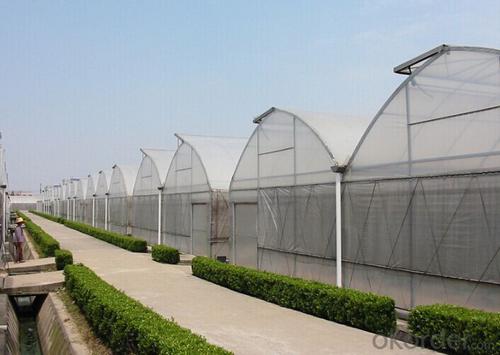
Sustainable farming practices are becoming increasingly important in modern agriculture. As the global population grows and the demand for food rises, farmers are seeking innovative solutions to maximize yield while minimizing environmental impact. One technology that has gained significant attention is the Multi-Span Film Greenhouse. These structures are designed to provide optimal growing conditions for crops while being cost-effective and adaptable to various farming environments.
A Multi-Span Film Greenhouse is essentially a greenhouse with multiple connected spans or bays, covered with durable polyethylene film. Unlike single-span greenhouses, which are limited in width and often less efficient in space utilization, multi-span designs allow farmers to cultivate larger areas under one controlled environment. This results in better management of temperature, humidity, and light, which are crucial factors for plant growth.
Enhanced Crop Production
One of the primary advantages of Multi-Span Film Greenhouses is their ability to enhance crop production. By creating a controlled environment, these greenhouses protect crops from unpredictable weather conditions such as heavy rains, frost, and strong winds. This protection reduces crop loss and ensures consistent production throughout the year.
Additionally, the multi-span design provides uniform light distribution across all sections of the greenhouse. This ensures that plants receive adequate sunlight for photosynthesis, promoting healthy growth and higher yields. Farmers can grow a variety of crops, including vegetables, fruits, and flowers, within the same greenhouse, optimizing land use and increasing profitability.
Energy Efficiency and Cost-Effectiveness
Energy efficiency is a key consideration in sustainable farming, and Multi-Span Film Greenhouses offer several benefits in this regard. The polyethylene film used in these structures has excellent insulation properties, helping to maintain a stable internal temperature. This reduces the need for additional heating during colder months and cooling during warmer months, lowering energy consumption and operational costs.
Moreover, the multi-span design allows for shared infrastructure, such as ventilation systems, irrigation networks, and heating units, which reduces installation and maintenance expenses compared to multiple single-span greenhouses. The initial investment may be higher, but the long-term savings and increased productivity make it a cost-effective solution for large-scale farming operations.
Improved Pest and Disease Management
Pests and diseases are major challenges in agriculture, often leading to significant crop losses. Multi-Span Film Greenhouses provide a controlled environment that can limit the entry of pests and reduce the spread of diseases. The structure’s enclosed design acts as a barrier against insects, birds, and rodents, while the ability to control humidity and temperature helps prevent fungal and bacterial infections.
Farmers can also implement integrated pest management strategies more effectively within a Multi-Span Film Greenhouse. For example, beneficial insects can be introduced to control pests without the need for excessive chemical use, supporting sustainable and eco-friendly farming practices.
Water Conservation and Efficient Irrigation
Water scarcity is a pressing issue in many agricultural regions, and efficient water management is crucial for sustainability. Multi-Span Film Greenhouses enable farmers to implement precise irrigation systems, such as drip irrigation or micro-sprinklers, which deliver water directly to the plant roots. This targeted approach minimizes water wastage and ensures that crops receive the necessary moisture for optimal growth.
In addition, the greenhouse environment reduces evaporation compared to open-field farming. The film covering helps retain moisture and maintain a stable microclimate, further enhancing water conservation efforts. By using water more efficiently, farmers can reduce costs and contribute to sustainable agricultural practices.
Flexibility in Crop Scheduling
Another advantage of Multi-Span Film Greenhouses is the flexibility they provide in crop scheduling. Farmers are not bound by seasonal constraints and can grow crops year-round. This flexibility allows for multiple cropping cycles in a single year, increasing overall productivity and profitability.
The controlled environment also enables the cultivation of high-value crops that may not thrive in the local outdoor conditions. By extending the growing season and diversifying crop production, farmers can meet market demands more effectively and reduce reliance on imported produce.
Environmental Benefits and Sustainability
Multi-Span Film Greenhouses play a significant role in promoting environmentally sustainable farming practices. By maximizing land use efficiency and crop yield per unit area, they help reduce the pressure on natural ecosystems and prevent deforestation. The controlled environment minimizes the need for chemical fertilizers and pesticides, lowering the risk of soil and water contamination.
Furthermore, these greenhouses support the use of renewable energy sources such as solar panels for heating and ventilation, making them an eco-friendly solution for modern agriculture. The integration of sustainable farming techniques within a Multi-Span Film Greenhouse contributes to long-term food security and environmental conservation.
Scalability for Large-Scale Farming
One of the reasons Multi-Span Film Greenhouses are popular in commercial agriculture is their scalability. Farmers can start with a smaller structure and expand by adding more spans as their operation grows. This modular approach allows for efficient resource management and makes it easier to implement advanced technologies such as automated climate control, fertigation systems, and precision monitoring tools.
The ability to scale operations without compromising efficiency or productivity is a key advantage for both small and large-scale farmers. Multi-Span Film Greenhouses provide a flexible platform that can adapt to changing agricultural needs and market demands.
Conclusion
In summary, Multi-Span Film Greenhouses offer numerous advantages for sustainable farming, making them an ideal choice for modern agricultural practices. They enhance crop production, improve energy efficiency, support effective pest and disease management, and promote water conservation. The flexibility in crop scheduling and scalability for large-scale farming further strengthens their appeal.
By adopting Multi-Span Film Greenhouses, farmers can achieve higher yields, reduce environmental impact, and optimize operational costs. As the global agricultural landscape evolves, these greenhouses will continue to play a vital role in promoting sustainable, efficient, and profitable farming practices.
About the Author