Flooded basements can turn a homeowner’s life upside down in a matter of hours. Water intrusion not only damages your property but can also create health hazards and long-term structural issues. Handling a flooded basement cleanup incorrectly can make the situation worse and lead to unnecessary expenses. Understanding the common mistakes people make during flooded basement cleanup is crucial for effective restoration and long-term safety.
Underestimating the Damage
One of the most frequent mistakes during flooded basement cleanup is underestimating the extent of the damage. Homeowners often believe that if the water is shallow or the flooding seems minor, cleanup can be done casually. However, water can seep into walls, flooring, and even electrical systems, creating hidden dangers. Failing to recognize the full extent of water damage can lead to mold growth, weakened structural integrity, and costly repairs in the future.
Delaying Cleanup
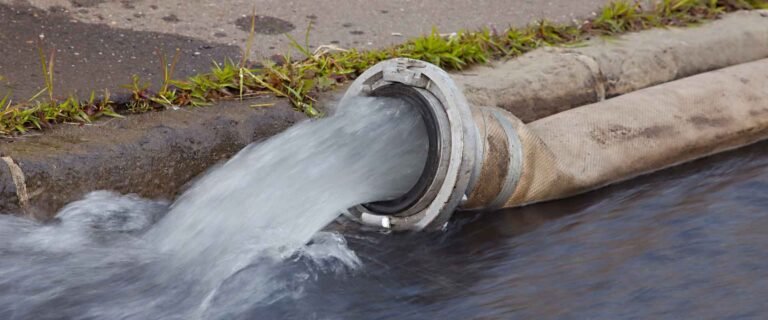
Time is a critical factor in flooded basement cleanup. Waiting too long to remove water and dry the area can increase damage exponentially. Water can infiltrate building materials quickly, causing wood to warp, drywall to swell, and carpets to deteriorate. Mold can start to grow within 24 to 48 hours, posing health risks. Immediate action, including pumping out water and starting the drying process, is essential to limit long-term damage and expenses.
Ignoring Safety Precautions
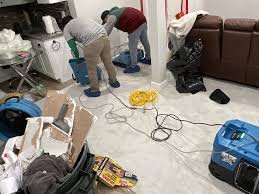
Many homeowners make the mistake of jumping into flooded basement cleanup without considering safety. Standing water can hide electrical hazards, sharp objects, or contaminated water. Using standard household cleaning tools without protective gear can expose you to injury or illness. Wearing waterproof boots, gloves, and eye protection is essential, and turning off the electricity to the affected area is a non-negotiable safety measure during flooded basement cleanup.
Using Improper Equipment
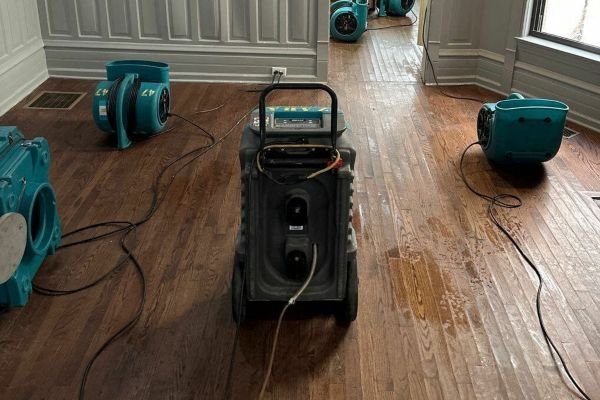
Flooded basement cleanup requires the right tools to ensure thorough water removal and drying. Using household mops or small wet/dry vacuums is often inadequate for significant flooding. Professional-grade pumps, industrial fans, and dehumidifiers are more effective in removing water and reducing humidity levels. Trying to cut corners with insufficient equipment can prolong drying times and increase the risk of mold and structural damage.
Neglecting Mold Prevention
Mold growth is a serious consequence of improper flooded basement cleanup. A common mistake is cleaning the visible water but ignoring moisture trapped in walls, carpets, and insulation. Mold spores can proliferate in damp areas, causing health problems like respiratory issues and allergies. Applying antimicrobial treatments, removing saturated materials, and ensuring thorough drying are critical steps to prevent mold after a flooded basement cleanup.
Failing to Document Damage
Another oversight is neglecting to document the flood damage before starting cleanup. Insurance companies often require detailed records to process claims. Taking photos or videos of water levels, damaged furniture, and structural harm can streamline insurance claims. Skipping this step can result in denied or reduced compensation, increasing the financial burden of the flooded basement cleanup.
Overlooking Hidden Water
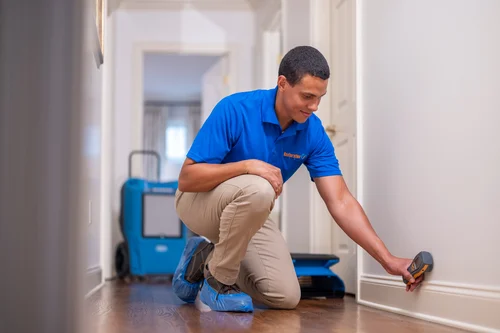
Water often hides in places you might not expect. Basements have numerous nooks, behind appliances, under stairs, or within wall cavities where water can accumulate. A common mistake is only cleaning the obvious areas while leaving hidden pockets of water untouched. This hidden moisture can continue to damage materials and create an environment for mold growth. Using moisture meters and inspecting all areas thoroughly is essential for a complete flooded basement cleanup.
Discarding the Importance of Professional Help
Many homeowners attempt DIY flooded basement cleanup to save money, but this can be a costly mistake. Professionals have the expertise, equipment, and experience to handle all stages of cleanup, including water extraction, drying, sanitization, and restoration. Attempting a DIY cleanup without proper knowledge can overlook critical steps, resulting in persistent moisture problems, structural damage, or mold infestations. Knowing when to call a professional is a key aspect of an effective flooded basement cleanup strategy.
Improper Disposal of Contaminated Materials
Flood water is often contaminated with bacteria, chemicals, or sewage. Removing and disposing of soaked items incorrectly can pose health risks. Many homeowners make the mistake of trying to salvage everything or discarding items without following proper sanitation procedures. During flooded basement cleanup, items that cannot be thoroughly cleaned should be safely discarded, and areas exposed to contaminated water should be disinfected to prevent illness.
Rushing the Drying Process
After water extraction, the drying process is just as critical. A common mistake is assuming that once the visible water is gone, the basement is safe. High humidity and residual moisture in walls, flooring, and insulation can cause long-term damage if not completely dried. Using dehumidifiers, fans, and ensuring proper ventilation over several days is essential to fully restore the basement after a flood.
Ignoring Long-Term Preventive Measures
Flooded basement cleanup doesn’t end with water removal. Homeowners often fail to address the underlying issues that caused the flooding, such as poor drainage, foundation cracks, or sump pump failures. Ignoring these preventive measures can lead to repeated flooding and recurring damage. Implementing solutions like installing a sump pump, sealing cracks, and grading the landscape away from the foundation can reduce the risk of future floods and the need for frequent flooded basement cleanup.
Conclusion
Flooded basement cleanup is a complex and urgent task that requires careful attention to detail. Mistakes such as underestimating damage, delaying cleanup, ignoring safety, and neglecting mold prevention can escalate problems and lead to unnecessary expenses. Proper documentation, professional assistance, thorough drying, and long-term preventive measures are all crucial components of an effective cleanup strategy. By avoiding these common mistakes, homeowners can protect their property, maintain a safe environment, and save thousands of dollars in repair costs.
Flooded basement cleanup is not just about removing water; it’s about safeguarding your home from hidden damage and future risks. Taking the right steps immediately and thoroughly can make the difference between a minor inconvenience and a major disaster.
About the Author