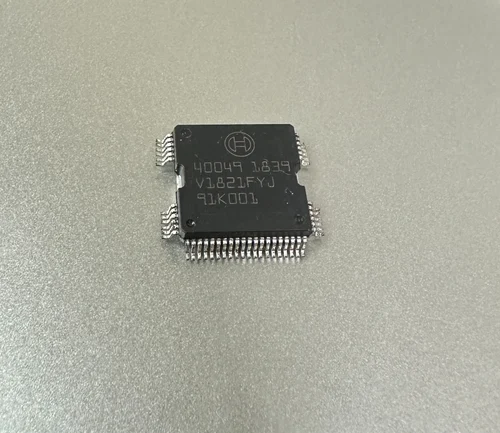
The modern automobile is a complex integration of mechanical systems and electronic controls. Among the most critical components that bridge this gap is the Car ECU IC, a sophisticated microchip responsible for managing engine functions. Understanding how this small but powerful device enhances engine performance and longevity is essential for both car enthusiasts and everyday drivers.
Understanding the Car ECU IC
The Car ECU IC, short for Engine Control Unit Integrated Circuit, serves as the brain of the vehicle’s engine management system. It monitors multiple engine parameters such as air-fuel mixture, ignition timing, throttle position, and engine temperature. By processing this data in real-time, the Car ECU IC can make precise adjustments that optimize the performance and efficiency of the engine.
This advanced level of control allows the engine to respond more quickly to driver inputs, reduce fuel consumption, and minimize emissions. In essence, the Car ECU IC transforms raw mechanical potential into smooth, responsive, and efficient operation.
Enhancing Engine Response
One of the most noticeable benefits of a Car ECU IC is improved engine response. Engine response refers to how quickly and efficiently the engine reacts to accelerator input. A delayed response can make driving feel sluggish, while a sharp response provides a more enjoyable and safer driving experience.
The Car ECU IC achieves enhanced response through precise control of fuel injection and ignition timing. By constantly analyzing sensor data, the ECU can optimize the combustion process for varying conditions such as load, speed, and temperature. For example, when a driver presses the accelerator, the ECU instantly calculates the ideal fuel-air mixture and ignition timing to maximize acceleration without sacrificing efficiency. This results in smoother throttle transitions, faster acceleration, and a more dynamic driving experience.
Additionally, the Car ECU IC can adapt to the unique characteristics of the engine as it ages. Over time, mechanical components naturally experience wear and tear. The ECU compensates for these changes by recalibrating fuel delivery and ignition timing, ensuring that the engine continues to respond effectively even as it matures.
Promoting Engine Longevity
Beyond enhancing performance, the Car ECU IC plays a vital role in prolonging engine life. Engines are subjected to high stress, heat, and pressure, and improper operation can lead to premature wear or even catastrophic failure. The Car ECU IC mitigates these risks by maintaining optimal operating conditions.
For instance, the ECU continuously monitors engine temperature and can adjust parameters to prevent overheating, a common cause of engine damage. It also ensures that the engine operates with the correct air-fuel ratio, preventing issues such as pre-ignition or detonation that can harm pistons, valves, and other critical components.
Another way the Car ECU IC supports longevity is through its ability to detect potential problems early. Many modern ECUs can trigger diagnostic codes when a sensor reports abnormal readings, alerting the driver or technician to issues before they escalate into costly repairs. This predictive capability allows for timely maintenance and repairs, extending the engine’s operational life.
Fuel Efficiency and Environmental Impact
Optimized engine performance through a Car ECU IC also translates to better fuel efficiency and lower emissions. By continuously adjusting fuel injection and ignition timing, the ECU ensures complete combustion, extracting the maximum energy from every drop of fuel. This not only saves money at the pump but also reduces the vehicle’s environmental footprint.
Moreover, modern Car ECU ICs are equipped with adaptive learning algorithms that fine-tune engine operation based on driving habits, road conditions, and fuel quality. This dynamic adjustment further enhances fuel economy and ensures that the engine runs cleanly under a wide range of conditions.
Advanced Features Enabled by the Car ECU IC
The Car ECU IC is the foundation for numerous advanced features in contemporary vehicles. Features such as variable valve timing, turbo boost control, and electronic throttle control rely heavily on precise ECU management. These systems enhance performance, improve efficiency, and contribute to a longer engine life.
For example, variable valve timing allows the ECU to adjust the timing of valve opening and closing to optimize engine performance at different speeds. Similarly, turbocharged engines depend on the ECU to manage boost pressure and prevent overloading the engine, directly contributing to durability and responsiveness.
The Role of Software Updates
The effectiveness of a Car ECU IC is not static; it can be enhanced through software updates. Manufacturers often release updates that refine engine maps, improve fuel efficiency, and enhance responsiveness. Regular updates ensure that the Car ECU IC continues to maximize engine potential throughout the vehicle’s lifespan.
Additionally, aftermarket ECU tuning has become popular among car enthusiasts. With careful calibration, tuning can improve throttle response, increase horsepower, and even improve fuel economy. However, it is crucial that such modifications are performed by professionals, as incorrect tuning can compromise engine longevity.
Maintenance and Diagnostics
Maintaining the Car ECU IC and the sensors it relies on is critical for sustained engine performance. Dirty or faulty sensors can lead to incorrect adjustments, resulting in poor engine response and reduced efficiency. Regular inspection and timely replacement of sensors, spark plugs, and other critical components ensure the ECU functions optimally.
Diagnostic tools that interface with the ECU provide valuable insights into engine health. By reading diagnostic codes, technicians can identify issues such as misfires, oxygen sensor failures, or fuel injector problems. Early detection allows for prompt correction, preventing long-term damage.
Future Developments in Car ECU IC Technology
The evolution of Car ECU IC technology continues to push the boundaries of engine performance and durability. Emerging trends include the integration of artificial intelligence and machine learning, enabling ECUs to predict driver behavior and adapt engine operation more intelligently. These advances promise even smoother engine response, improved fuel efficiency, and longer engine life.
Additionally, as hybrid and electric vehicles become more prevalent, the role of ECU ICs is expanding to manage complex interactions between electric motors, batteries, and internal combustion engines. This integration further enhances performance and reliability while reducing environmental impact.
Conclusion
The Car ECU IC is more than just a microchip; it is the brain that orchestrates the intricate symphony of modern engine operation. By precisely controlling fuel injection, ignition timing, and other critical parameters, it improves engine response, enhances fuel efficiency, and prolongs engine longevity. For car owners, understanding the role of the Car ECU IC highlights the importance of proper maintenance, timely updates, and informed tuning. As technology advances, the Car ECU IC will continue to play a pivotal role in shaping the future of automotive performance and reliability. Its impact on engine response and longevity underscores the seamless fusion of electronics and mechanics in today’s vehicles, making it an indispensable component in modern automotive engineering.
About the Author