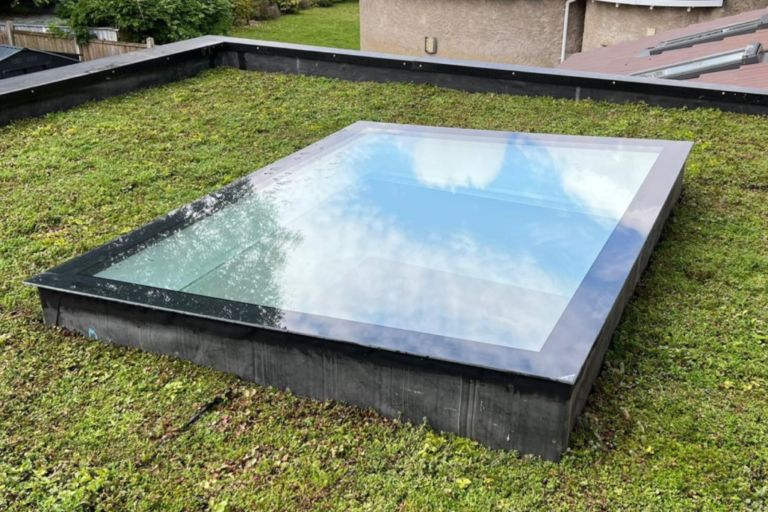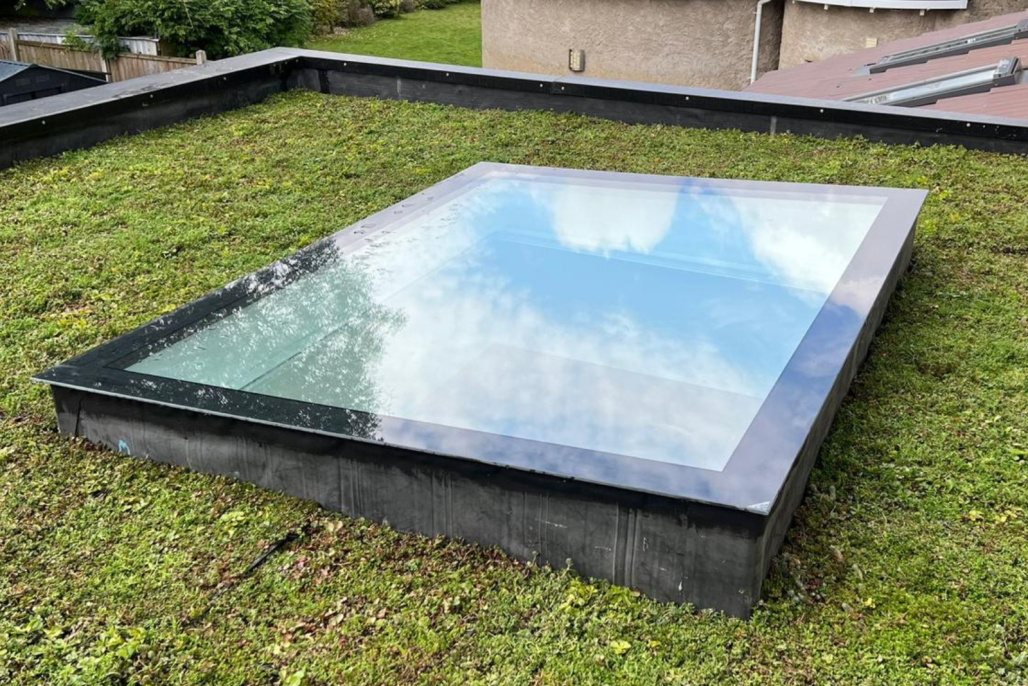
In contemporary architecture, light plays a central role in defining the ambiance, aesthetic, and energy efficiency of a space. Among the various solutions for introducing natural light into buildings, flat roof skylight have emerged as a sophisticated and versatile option. Unlike traditional pitched skylights, flat roof skylights offer a sleek, modern look that complements minimalist and geometric designs while providing functionality and comfort. Alongside roof windows, they are reshaping how architects and homeowners think about daylighting.
The Rise of Flat Roof Skylights in Modern Design
Modern architecture emphasizes clean lines, open spaces, and seamless integration between indoor and outdoor environments. Flat roof skylights fit perfectly into this ethos. They allow daylight to penetrate deep into rooms without disrupting the exterior silhouette of the building. Unlike bulky dormer windows or traditional pitched skylights, these installations maintain a flat, unobtrusive profile that enhances the overall design.
The versatility of flat roof skylights is also noteworthy. They can be installed individually as a focal feature or in groups to create dramatic patterns of natural light. When paired with roof windows, they offer an unprecedented level of control over ventilation, light distribution, and energy efficiency, making them an integral component of sustainable building design.
Functional Benefits Beyond Aesthetics
While aesthetics are a primary motivation, flat roof skylights also deliver significant functional advantages. One of the most important benefits is enhanced natural lighting. By allowing sunlight to enter from above, these skylights reduce the reliance on artificial lighting during the day. This not only lowers energy consumption but also creates a healthier and more inviting environment for occupants.
Another key advantage is thermal efficiency. Modern flat roof skylights are designed with advanced glazing technologies, such as double or triple-pane glass and low-emissivity coatings. These features minimize heat loss in winter and reduce heat gain in summer, ensuring that indoor temperatures remain comfortable year-round. When combined with roof windows, they can provide natural ventilation, further enhancing comfort and reducing the need for mechanical cooling systems.
Creative Design Options for Modern Spaces
Flat roof skylights are no longer limited to basic rectangular or square shapes. Architects now experiment with circular, oval, and geometric forms, creating artistic and functional features that blend seamlessly with the building’s structure. In open-plan living areas, these skylights can act as light wells, drawing sunlight into interior spaces that would otherwise remain dim.
Customizable frames and finishes also allow flat roof skylights to match the style of the building. Aluminum, steel, and composite frames are available in a range of colors and finishes, offering both durability and aesthetic flexibility. Integrating these skylights with roof windows further expands design possibilities, enabling innovative arrangements that enhance both daylighting and ventilation.
Integration with Sustainable Architecture
Sustainability is a central theme in modern architecture, and flat roof skylights are an essential element in eco-friendly design. By maximizing natural light, they reduce electricity consumption, which is especially beneficial in commercial buildings and large residential projects. When paired with energy-efficient roof windows, these skylights contribute to better indoor air quality, passive cooling, and effective energy management.
Architects increasingly combine flat roof skylights with smart glass technology, allowing occupants to adjust opacity or tint to control glare and solar heat gain. This adaptability not only improves comfort but also aligns with sustainable design principles by minimizing energy-intensive heating and cooling systems.
Challenges and Solutions in Installation
Despite their many benefits, flat roof skylights require careful planning and installation. One common concern is water leakage. Since these skylights are installed on flat surfaces, proper sealing, flashing, and drainage systems are critical to prevent water infiltration. Modern designs often incorporate integrated curbs, high-performance gaskets, and sloped bases to address these issues effectively.
Another challenge is structural support. Flat roof skylights, particularly large or heavy models, need adequate reinforcement to maintain roof integrity. Collaborating with structural engineers and roofing specialists ensures that the skylights are safely integrated without compromising the building’s stability. Roof windows, when installed in tandem with flat roof skylights, require similar attention to ensure seamless operation and weatherproofing.
Enhancing Interior Spaces with Natural Light
One of the most compelling reasons to choose flat roof skylights is their ability to transform interior spaces. Sunlight can dramatically influence mood, productivity, and the perception of space. In residential applications, flat roof skylights illuminate kitchens, living rooms, and bathrooms, making them feel more spacious and welcoming. In commercial and institutional buildings, they contribute to employee well-being and can even reduce absenteeism by creating healthier work environments.
When combined with roof windows, flat roof skylights offer a dynamic interplay of light and ventilation. Strategically placed skylights can create natural cross-ventilation, while roof windows provide operable openings that let fresh air circulate. This combination ensures a comfortable indoor climate without relying heavily on mechanical systems, aligning with modern architecture’s focus on sustainability and occupant comfort.
Technological Innovations Driving Popularity
The popularity of flat roof skylights has been fueled by ongoing technological advancements. Self-cleaning coatings reduce maintenance, while laminated and tempered glass improves safety and durability. Integrated blinds, motorized controls, and smart home connectivity allow users to adjust light levels with ease. These innovations make flat roof skylights not just an architectural feature but a functional and interactive component of modern living spaces.
Roof windows complement these innovations by offering flexible ventilation options. Automated roof windows can respond to temperature, humidity, and rain, providing intelligent airflow management. This synergy between skylights and roof windows enhances both comfort and energy efficiency, making them a valuable addition to contemporary building projects.
Conclusion
Flat roof skylights represent a perfect blend of aesthetic appeal, functional performance, and sustainability in modern architecture. When thoughtfully integrated with roof windows, they offer a comprehensive solution for natural light, ventilation, and energy efficiency. From transforming interiors with daylight to enhancing the overall design language of a building, these skylights are more than just windows—they are a statement of innovation and modern living.
As architectural trends continue to emphasize openness, minimalism, and environmental consciousness, flat roof skylights will remain a central feature in designing spaces that are not only visually striking but also healthier, more efficient, and responsive to the needs of occupants. By combining creativity, technology, and practical design, architects and homeowners can harness the full potential of flat roof skylights and roof windows to redefine modern living.
About the Author