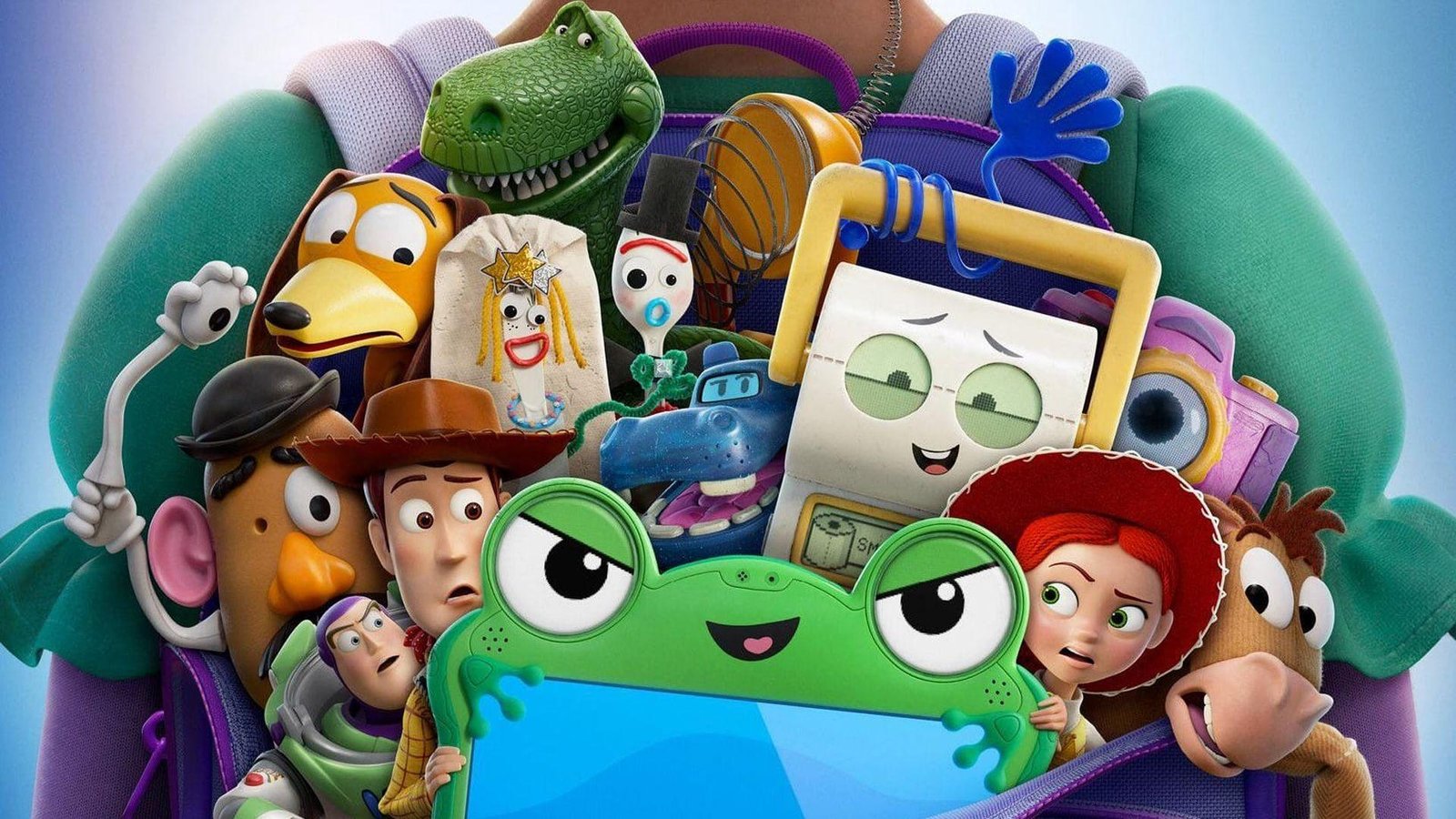
Bringing a new toy to life—or customizing an existing product line—requires seamless collaboration between your brand, sourcers, engineers, and manufacturing facilities. Whether you are aiming to expand your inventory with cutting-edge remote control vehicles or launching a completely original plush line, the journey always begins with a single document: the product brief.
Learning how to start a toy brief effectively is the most critical skill for importers, brand owners, and retail buyers. A well-written brief serves as a central blueprint. It translates your commercial goals into explicit physical, functional, and safety specifications, leaving zero room for costly misunderstandings across time zones.
A detailed technical brief translates product concepts into manufacturing parameters.. Source: Plush Toy Manufacturer & Supplier
What Is a Toy Brief and Why Does It Matter?
A toy brief is a comprehensive specification document that defines what you want to build, who it is for, how it must function, and the compliance standards it must pass. When sourcing complex categories such as wholesale RC toys, electronic gadgets, or multi-component playsets, vague ideas lead to mismatched prototypes, factory delays, and unexpected costs.
A clear, detailed brief achieves three vital objectives:
- Eliminates Miscommunication: It removes guesswork for overseas suppliers and trade partners regarding materials, sizing, and features.
- Accelerates Sample Lead Times: Factories can produce accurate initial prototypes on the first attempt without repeated revisions.
- Establishes Clear Quality Control Benchmarks: It sets measurable criteria for pre-shipment inspections and lab testing.
Core Elements of an Effective Toy Brief
To ensure your specification document covers every critical angle, break your brief down into organized, logical sections.
Project Overview and Target Market
Start by defining the commercial context of your product. Outline your brand’s positioning, target retail price points, and intended user age group. Age grading isn’t just a marketing consideration—it dictates the legal safety standards your product must comply with (such as ASTM F963 for the USA or EN71 for Europe).
Specify whether this project is a brand-new Original Equipment Manufacturer (OEM) development, an Original Design Manufacturer (ODM) customization, or a private-label adjustment to a stock model.
Technical and Functional Specifications
This is the technical core of your brief. Describe every physical attribute and operational detail clearly:
- Dimensions and Weight: List target height, width, length, and weight limits.
- Materials and Finishes: Indicate primary plastics (e.g., ABS, PP), plush fabrics, metallic finishes, or eco-friendly recycled materials.
- Operational Mechanics: For electronic or motorized items—such as wholesale RC toys—detail the frequency range (e.g., 2.4 GHz), battery type, motor output, charging interface (such as USB-C), remote control range, and run time per charge.
- Color Schemes: Provide exact Pantone (PMS) color references for housing, trim, and accessories.
Packaging, Artwork, and Private Labeling
Packaging is an extension of the product itself. Specify your retail packaging style (e.g., window box, blind box, hangtag, or corrugated mailer). Detail your requirements for custom logo placement, barcode placement (UPC/EAN), instruction manual translations, and outer carton shipping marks.
Step-by-Step Guide: How to Start a Toy Brief
Creating your brief step by step ensures you collect all necessary parameters before approaching suppliers.
Step 1: Gather Visual References and CAD/Tech Packs
Visuals communicate intent faster than text. Build a reference deck containing:
- Concept sketches or 3D CAD files.
- Mood boards highlighting desired textures, surface finishes, or color palettes.
- Annotations highlighting specific mechanisms or competitor benchmark features you admire or wish to improve upon.
Step 2: Establish Target Order Quantities and Timelines
Define your commercial volume targets. State your target Minimum Order Quantity (MOQ), estimated annual volume, target FOB (Free on Board) unit price, and hard target dates for sample sign-off, mass production completion, and shipment delivery.
Step 3: Define Regulatory and Quality Control Requirements
Every market enforces strict toy safety standards. Clearly list the mandatory certifications required for your destination market, such as:
- North America: ASTM F963, CPSIA, FCC certification (for wireless devices).
- Europe: EN71, EN62115 (electric toys), RED Directive, CE marking.
- Global: ISO 8124, RoHS, REACH compliance.
Navigating Sourcing and Manufacturing in China
Once your product brief is ready, selecting the right execution path determines your project’s outcome. The toy industry centers around specialized manufacturing clusters, with Shantou’s Chenghai District widely recognized as the world’s premier toy manufacturing hub.
Understanding how to interact with regional supply chains ensures your brief is received and executed correctly.
Factory Direct vs. Sourcing Partner Execution
When bringing a product brief to market, importers generally choose between managing factory relations directly or working with a specialized local trade partner.
| Factor | Direct Factory Sourcing | Local Sourcing Partner |
|---|---|---|
| Communication | Direct line to factory engineers; potential language or time-zone barriers | Local presence bridging language, culture, and technical specs |
| Vendor Selection | Limited to factories found via directories or tradeshows | Access to vetted regional networks across specialized factories |
| Quality Control | Requires hiring third-party inspectors for each milestone | On-site monitoring from sample development through final shipment |
| Minimum Order Quantities | Strict, non-negotiable factory MOQs | Negotiated terms and consolidated sourcing across ranges |
Working with an experienced B2B toy sourcing team based directly on the ground—such as Chenghai-Toys in Shantou, China—helps importers, retailers, distributors, and brands bridge the gap between initial specs and final delivery. A dedicated trade partner assists with curated wholesale ranges, OEM/private label execution, physical sample evaluations, custom packaging oversight, and export logistics management.
Common Pitfalls to Avoid in Your Toy Brief
Even experienced buyers can miss small details that derail production schedules. Keep your brief clear of these common mistakes:
- Ambiguous Language: Avoid vague terms like “high quality” or “durable.” Use precise metrics instead (e.g., “Must withstand a 1.2-meter drop test on hardwood without structural cracking”).
- Overlooking Battery and Electronic Regulations: Shipping battery-operated items or wireless devices internationally requires specific certifications (UN38.3 for lithium batteries, FCC/CE for wireless frequencies).
- Ignoring Tooling and Mold Costs: If your design requires custom plastic injection molds, explicitly state whether tooling budgets are approved or if you require modifications to existing open molds.
- Forgetting Export Packaging Standards: Ensure your brief covers transit testing specs, such as carton drop-test standards (ISTA 1A) to prevent freight damage.
Final Checklist Before Sending Your Brief
Before handing off your document to your trade and sourcing partners, review this checklist:
- [ ] Target age grading and safety testing standards are explicitly stated.
- [ ] Dimensions, materials, Pantone colors, and weight limits are clearly documented.
- [ ] Electronic and functional requirements (frequencies, battery types, range) are detailed.
- [ ] Visual references, 3D renderings, or CAD files are attached.
- [ ] Target FOB unit cost, MOQ, and delivery deadlines are defined.
- [ ] Private labeling, packaging artwork, and master carton shipping requirements are included.
A well-crafted product brief protects your investment, aligns all stakeholders from day one, and provides the clear foundation needed to move smoothly from concept to global delivery.
About the Author