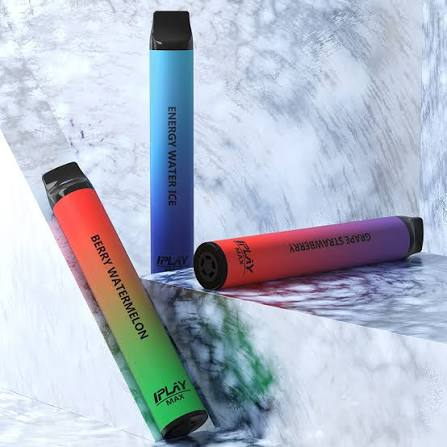
The electronic cigarette industry has developed significantly over the past decade, creating opportunities for businesses interested in manufacturing, branding, and distributing alternative nicotine products. One business model that has attracted attention is Private Label Electronic Cigarettes. This approach allows companies to develop products under their own brand names while working with specialized manufacturers that provide production, technical expertise, and packaging solutions.
Private labeling can offer businesses greater control over brand identity and product presentation. However, entering this industry requires careful planning, an understanding of manufacturing standards, and compliance with applicable regulations. From product development to quality assurance, every stage plays an important role in building a recognizable and responsible brand.
What Are Private Label Electronic Cigarettes?
Private label electronic cigarettes are products manufactured by one company and marketed under another company’s brand name. Instead of establishing an independent manufacturing facility, a business works with an established manufacturer to develop products that meet its branding and technical requirements.
These arrangements may involve customized packaging, product designs, branding elements, and different device specifications. Depending on the manufacturer’s capabilities and applicable regulations, businesses may have several customization options.
The private label model is commonly associated with companies that want to establish their own identity without managing the entire manufacturing process. Nevertheless, private labeling does not remove the brand owner’s responsibility for product safety, legal compliance, and accurate marketing.
Why Businesses Explore Private Label Manufacturing
Private label manufacturing can provide several operational advantages for businesses exploring the electronic cigarette sector.
Greater Brand Identity
Creating a recognizable brand is an important part of establishing a business in a competitive marketplace. Private labeling allows companies to develop their own visual identity through logos, packaging concepts, and consistent brand messaging.
A distinctive identity can help customers understand what a company represents. However, branding should always communicate accurate product information rather than making unsupported claims about quality, safety, or health benefits.
Access to Manufacturing Experience
Working with an established manufacturer may provide access to existing production facilities, technical knowledge, and quality management systems.
This arrangement can reduce the need for businesses to develop manufacturing infrastructure independently. It also allows companies to focus on appropriate areas such as regulatory review, supplier evaluation, and brand management.
Flexible Business Arrangements
Different manufacturers offer different production and customization arrangements. Some specialize in hardware, while others provide packaging and assembly services.
Businesses should evaluate these arrangements carefully, considering production capabilities, quality documentation, regulatory responsibilities, and long-term supplier reliability.
Important Factors in Electronic Cigarette Manufacturing
Manufacturing electronic cigarettes involves several technical components. Understanding these elements helps businesses evaluate suppliers and identify important quality considerations.
Device Components and Materials
Electronic cigarette devices may contain batteries, electronic circuits, heating elements, cartridges, and other components. Each component must meet relevant technical and safety requirements.
Battery quality deserves particular attention because poorly manufactured lithium-ion batteries can create overheating, fire, and other hazards.
Manufacturers should maintain appropriate testing procedures and provide documentation demonstrating that relevant components meet applicable standards.
Product Design and Engineering
Product design involves more than creating an attractive exterior. Engineers must consider electrical performance, material compatibility, device durability, and manufacturing consistency.
Companies evaluating private label suppliers should review product specifications and independent testing documentation instead of relying exclusively on promotional descriptions.
Packaging and Product Information
Packaging communicates essential information about a product. It may include manufacturer details, required warnings, ingredient information, usage restrictions, and regulatory identification.
Requirements differ between countries and product categories. Therefore, packaging should be reviewed by qualified compliance professionals before any commercial distribution.
The Importance of Quality Assurance
Quality assurance is one of the most important considerations when evaluating private label electronic cigarette manufacturers.
A reliable quality management process helps identify manufacturing defects, material inconsistencies, and potential product hazards before products enter the supply chain.
Businesses should consider several areas when reviewing a potential manufacturing partner:
- Component documentation: Confirm that suppliers can provide appropriate information about batteries, electrical components, and materials.
- Independent testing: Review relevant laboratory reports and product safety assessments.
- Manufacturing consistency: Examine documented procedures for monitoring production quality.
- Traceability: Check whether products and components can be traced through the supply chain.
- Defect management: Understand how manufacturers investigate complaints and address product failures.
These measures support responsible sourcing and help businesses make informed decisions about manufacturing relationships.
Understanding Regulatory Requirements
Regulatory compliance is essential for companies involved in electronic cigarette manufacturing, importing, branding, or distribution.
Different countries maintain different rules regarding electronic nicotine delivery systems. Regulations may address product registration, nicotine concentrations, ingredients, advertising, packaging, age restrictions, and importation.
For example, some markets require manufacturers to submit detailed product information before products can be legally marketed. Other jurisdictions restrict or prohibit particular electronic cigarette products altogether.
Businesses should therefore investigate the laws applicable to their intended markets before entering into manufacturing agreements.
Product Documentation
Accurate documentation helps demonstrate that a product has undergone appropriate review. Depending on local requirements, documentation may include material specifications, laboratory testing reports, ingredient information, and manufacturing records.
Advertising Restrictions
Electronic cigarette advertising is subject to significant restrictions in many jurisdictions. Companies must understand which marketing activities are legally permitted and avoid promotional content that targets minors or makes misleading health-related claims.
Import and Distribution Rules
Importation and distribution may require specific approvals, licenses, or compliance procedures. A manufacturer operating legally in one country does not automatically make its products legal in another.
Choosing a Reliable Private Label Manufacturer
Selecting an appropriate manufacturing partner requires more than comparing prices or reviewing product photographs. Businesses should conduct thorough supplier assessments before making commercial commitments.
Review Manufacturing Experience
Examine the manufacturer’s background, production capabilities, quality management procedures, and experience with relevant regulatory requirements.
A supplier should be able to explain its manufacturing processes clearly and provide appropriate supporting documentation.
Evaluate Quality Standards
Ask about product testing, battery safety assessments, material verification, and manufacturing inspections.
Independent verification can provide stronger evidence than unsupported quality claims.
Check Transparency
A trustworthy supplier should communicate clearly about product specifications, component sourcing, production limitations, and compliance responsibilities.
Unclear answers or missing documentation should be treated as reasons for additional investigation.
Understand Commercial Agreements
Manufacturing agreements should clearly explain responsibilities, intellectual property ownership, quality expectations, product liability, confidentiality, and dispute resolution.
Legal professionals familiar with the relevant jurisdictions can help review these arrangements.
Challenges Associated With Private Label Electronic Cigarettes
Although private label manufacturing can simplify certain business operations, it also introduces challenges that require careful consideration.
Regulatory uncertainty: Laws can change, affecting product availability, marketing permissions, and distribution arrangements.
Product liability: Businesses may face legal responsibilities when products cause harm or fail to meet applicable safety standards.
Supplier dependency: Relying on an external manufacturer creates potential risks involving production delays, component shortages, and inconsistent quality.
Market competition: Established companies and changing consumer preferences can make brand differentiation difficult.
Reputational concerns: Product safety issues, misleading marketing, or regulatory violations can damage a company’s reputation.
Understanding these challenges before making business commitments can support better decision-making.
The Role of Responsible Business Practices
Responsible business practices should remain central to every stage of the electronic cigarette supply chain.
Companies should prioritize transparent product information, documented quality procedures, legal compliance, and responsible distribution. They should also maintain effective systems for handling complaints, investigating product defects, and addressing potential safety concerns.
Marketing practices require particular attention. Electronic cigarette products should never be promoted to minors or presented as risk-free alternatives. Businesses should avoid unsupported statements about health benefits, nicotine safety, or smoking cessation.
These principles help establish clearer expectations between manufacturers, distributors, regulators, and other stakeholders.
Future Considerations for the Private Label Electronic Cigarette Industry
The future of private label electronic cigarettes will depend heavily on regulatory developments, manufacturing standards, technological changes, and public health considerations.
Manufacturing transparency and product traceability are likely to remain important topics as regulators strengthen oversight of electronic nicotine products.
Companies may also face increasing expectations regarding battery safety, responsible material sourcing, product documentation, and environmental management.
At the same time, regulatory differences between international markets will continue to influence how manufacturers and brand owners approach product development and distribution.
Businesses considering this sector should monitor relevant legal developments rather than assuming that existing commercial arrangements will remain valid indefinitely.
Conclusion
Private label electronic cigarettes represent a manufacturing and branding model in which businesses work with specialized suppliers while developing products under their own brand identities. Although this arrangement can provide access to manufacturing expertise and established production infrastructure, it also involves important responsibilities.
Quality assurance, battery safety, supplier transparency, regulatory compliance, and responsible marketing should all be considered before entering this industry. A careful approach to manufacturer selection and legal requirements can help businesses understand the challenges associated with private labeling.
Ultimately, successful participation in this sector requires more than creating a recognizable brand. It requires a strong commitment to product standards, transparency, consumer protection, and compliance with applicable laws.
About the Author

