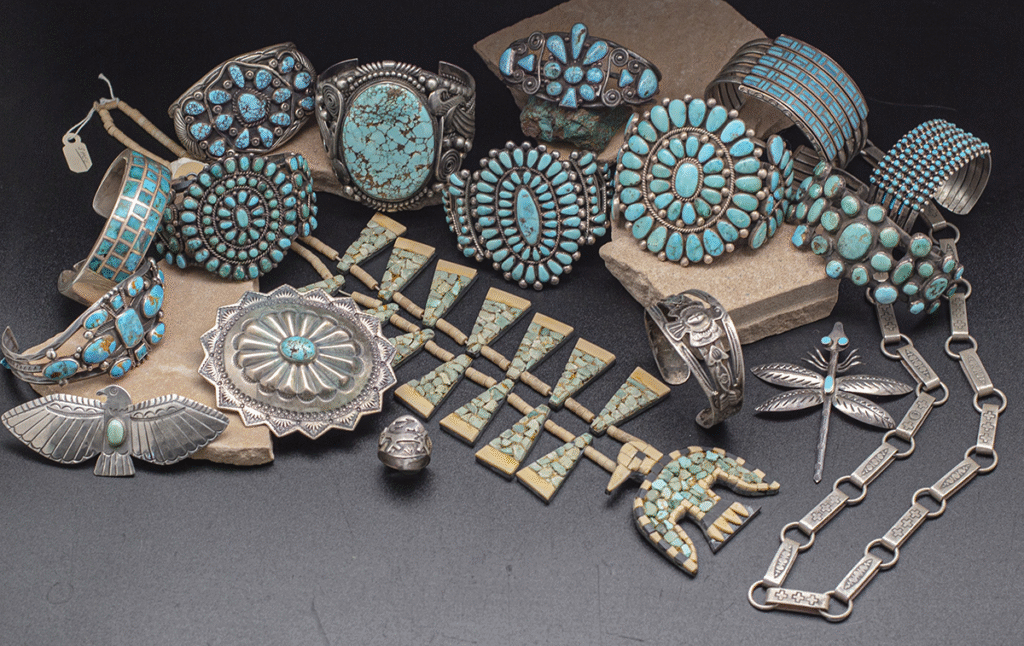
Navajo Jewelry is more than just adornment; it is a vibrant expression of culture, history, and artistry that has endured for centuries. Each piece carries with it a story, a connection to the land, and a reflection of the Navajo people’s deep reverence for nature and tradition. From intricate silverwork to stunning turquoise stones, Navajo Jewelry captures a timeless beauty that continues to inspire collectors, fashion enthusiasts, and cultural historians alike.
Origins and Historical Significance
The roots of Navajo Jewelry trace back to the 17th and 18th centuries, when the Navajo people began adapting silversmithing techniques introduced by Spanish settlers. The blending of these techniques with indigenous designs led to a unique style characterized by intricate patterns, symbolic motifs, and the masterful use of materials like silver and turquoise.
Turquoise, in particular, holds spiritual significance in Navajo culture. It is often associated with protection, healing, and good fortune. When combined with silver, it creates a visual contrast that enhances the aesthetic and symbolic value of each piece. Beyond its beauty, Navajo Jewelry serves as a record of tribal history, identity, and artistry that has been carefully preserved across generations.
Unique Craftsmanship
One of the defining features of Navajo Jewelry is its meticulous craftsmanship. Skilled artisans employ traditional techniques, such as stamping, overlay, and inlay, to create designs that are both intricate and durable. Stamping involves using hand-carved stamps to imprint patterns onto silver, producing a texture that is both visually striking and tactile. Overlay techniques, on the other hand, layer silver on silver to create bold, three-dimensional patterns. Inlay work incorporates stones like turquoise, coral, and onyx, set into silver to produce dazzling contrasts and intricate designs.
Each piece of Navajo Jewelry is unique, reflecting the individuality of the artisan who created it. The creative process is deeply personal, often involving inspiration drawn from nature, family history, or spiritual beliefs. The result is jewelry that is not only a fashion statement but also a work of art imbued with meaning and tradition.
Symbolism and Cultural Expression
Navajo Jewelry is rich in symbolism, with designs that often carry spiritual and cultural significance. Common motifs include the sun, water, animals, and geometric patterns, each representing elements of the Navajo worldview. The sun symbolizes life and growth, water represents purification and renewal, and animals often embody qualities such as strength, wisdom, or protection.
Beyond symbolism, Navajo Jewelry serves as a means of storytelling and cultural preservation. Families pass down heirloom pieces from generation to generation, each carrying the memories and traditions of those who came before. Wearing or displaying these pieces is a way to honor ancestry, celebrate heritage, and maintain a tangible connection to Navajo history.
Modern Appeal and Global Influence
While deeply rooted in tradition, Navajo Jewelry has also captured the attention of the global market. Designers and collectors worldwide appreciate its unique aesthetic, blending traditional motifs with contemporary fashion trends. Today, Navajo Jewelry can be found in luxury boutiques, art galleries, and online marketplaces, appealing to a diverse audience seeking authentic, handcrafted pieces.
The modern appeal of Navajo Jewelry lies in its versatility. A bold turquoise cuff can elevate casual attire, while a delicate silver necklace with intricate inlay work can complement formal wear. The combination of artistry, history, and symbolism makes it a timeless addition to any jewelry collection. Moreover, its influence can be seen in contemporary design, inspiring fashion trends and artistic collaborations that honor indigenous heritage while appealing to a global audience.
Collecting and Preserving Navajo Jewelry
For collectors, Navajo Jewelry offers not only aesthetic pleasure but also investment value. Authentic pieces, particularly those made by renowned artisans, can appreciate over time due to their rarity, craftsmanship, and historical significance. However, collecting requires careful attention to authenticity. Genuine Navajo Jewelry is handcrafted, often marked with the artisan’s signature or a traditional hallmark, and made from high-quality materials.
Preserving these pieces is equally important. Silver should be cleaned carefully to maintain its shine without damaging the patina that adds character, while stones like turquoise require protection from harsh chemicals and prolonged exposure to sunlight. Proper storage and handling ensure that Navajo Jewelry retains its beauty and value for generations, allowing it to continue serving as a symbol of heritage and artistry.
The Emotional Connection
Beyond aesthetics and craftsmanship, Navajo Jewelry resonates on an emotional level. Many who wear or collect these pieces report a sense of connection to the culture and history they represent. Each piece tells a story, evokes memories, and serves as a tangible link to the artistry and traditions of the Navajo people.
Whether gifted as a token of love, worn as a personal talisman, or displayed as part of a collection, Navajo Jewelry carries emotional weight. It embodies resilience, creativity, and the enduring beauty of a culture that has thrived despite centuries of change. This emotional dimension is part of what makes Navajo Jewelry truly timeless—it is more than decoration; it is heritage, expression, and art intertwined.
Sustainability and Ethical Considerations
In an era where ethical sourcing and sustainability are increasingly valued, Navajo Jewelry stands out for its conscientious approach. Artisans often source materials locally or ethically, maintaining respect for the land and its resources. The handcrafting process reduces environmental impact compared to mass production, and supporting these artisans contributes directly to their communities.
Purchasing authentic Navajo Jewelry not only supports traditional craftsmanship but also encourages cultural preservation. By choosing pieces made by legitimate artisans, buyers ensure that the skills, stories, and traditions of the Navajo people continue to thrive. This ethical dimension adds another layer of meaning to the jewelry, transforming it from mere ornamentation to a statement of respect and cultural appreciation.
Conclusion
The timeless beauty of Navajo Jewelry lies in its unique combination of artistry, history, symbolism, and emotional resonance. Each piece is a testament to the creativity, skill, and cultural pride of the Navajo people, capturing a heritage that spans centuries. From the intricate silverwork and vibrant stones to the symbolic motifs and storytelling embedded in each design, Navajo Jewelry transcends fashion trends to become a living tradition.
Its appeal endures because it connects the past with the present, blending traditional craftsmanship with contemporary aesthetics while honoring cultural heritage. Collectors, enthusiasts, and admirers alike are drawn to its authenticity, artistry, and the profound sense of connection it fosters. In a world where trends come and go, Navajo Jewelry remains a timeless symbol of beauty, resilience, and cultural richness—a legacy that continues to shine brightly for generations to come.
Navajo Jewelry is not just something you wear; it is a piece of history, a work of art, and a celebration of a vibrant culture. Its beauty is enduring, its craftsmanship unparalleled, and its story eternal.
About the Author