Water damage is one of the most common and destructive issues homeowners and businesses face. Whether caused by flooding, burst pipes, leaks, or natural disasters, water damage can quickly compromise the structure of a property and lead to costly repairs if not handled promptly. Understanding the restoration process is essential to minimize loss and ensure a safe, healthy environment. This step-by-step guide explains how to effectively handle water damage and restore your property.
Understanding Water Damage
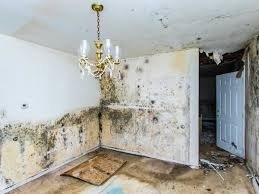
Water damage occurs when excess water infiltrates a structure and begins to deteriorate materials such as wood, drywall, insulation, and flooring. It can also create the perfect breeding ground for mold and bacteria. There are different categories of water damage, ranging from clean water (from broken pipes or rainwater) to contaminated water (from sewage backups or floodwaters). The severity and type of water damage determine the restoration approach.
Step 1: Ensure Safety First
Before beginning any restoration work, safety must be your top priority. Turn off electricity in affected areas to avoid the risk of electric shock. If the water damage is extensive, it may be necessary to evacuate the property temporarily. Wear protective gear such as gloves, boots, and masks, especially if the water is contaminated. Structural integrity should also be assessed to ensure floors and ceilings are safe to walk under or on.
Step 2: Identify the Source of Water
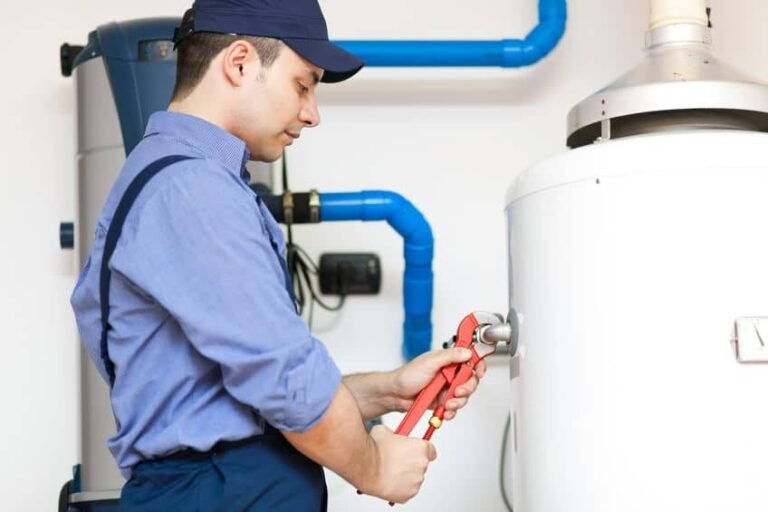
The next step in handling water damage is to locate and stop the source of water intrusion. This could be a leaking pipe, a broken appliance, roof damage, or flooding from outside. Stopping the source prevents further damage and allows restoration efforts to begin effectively. In some cases, professional help may be required to fix plumbing or structural issues.
Step 3: Water Removal and Extraction
Once the source is controlled, the immediate priority is removing standing water. The longer water sits, the more damage it causes. Pumps, wet vacuums, and specialized equipment are often used to extract water quickly. In severe cases of water damage, professional restoration services may use industrial-grade machinery to ensure complete removal.
Step 4: Drying and Dehumidification
After water extraction, moisture still remains in walls, floors, and furniture. Thorough drying is essential to prevent mold growth and further structural damage. High-powered fans and dehumidifiers are used to remove hidden moisture. This stage may take several days depending on the extent of the water damage. Monitoring humidity levels ensures the area is completely dry before moving forward.
Step 5: Cleaning and Sanitizing
Water damage often leaves behind dirt, bacteria, and unpleasant odors. Cleaning and sanitizing all affected surfaces is crucial to restore a safe living environment. This includes disinfecting walls, floors, and personal belongings. Items such as carpets, upholstery, and clothing may require specialized cleaning or may need to be discarded if heavily damaged. Proper sanitation helps prevent health risks associated with water damage.
Step 6: Mold Prevention and Remediation
One of the biggest risks following water damage is mold growth. Mold can begin to develop within 24 to 48 hours in damp conditions. Applying antimicrobial treatments and ensuring thorough drying can help prevent mold. If mold is already present, professional remediation may be necessary to remove it safely and completely. Ignoring mold can lead to serious health issues and further property damage.
Step 7: Assessing Structural Damage
Once the area is clean and dry, it’s important to evaluate the structural impact of the water damage. This includes checking drywall, ceilings, flooring, and support beams for signs of weakening or decay. Damaged materials may need to be repaired or replaced to ensure the building remains safe and stable. Early assessment helps avoid long-term problems.
Step 8: Restoration and Repairs
The final step in the water damage restoration process is repairing and restoring the property to its original condition. This may involve minor repairs such as repainting walls or major reconstruction like replacing flooring or rebuilding sections of the structure. The goal is to return the property to a safe, functional, and aesthetically pleasing state.
Preventing Future Water Damage
Preventing water damage is just as important as addressing it. Regular maintenance of plumbing systems, roofs, and appliances can reduce the risk of leaks and flooding. Installing water detection devices and ensuring proper drainage around the property are also effective preventive measures. Being proactive can save time, money, and stress in the long run.
When to Call Professionals
While minor water damage can sometimes be handled independently, severe cases often require professional assistance. Restoration experts have the tools, experience, and knowledge to handle complex situations efficiently. They can also help with insurance claims and ensure the restoration process meets safety standards. Knowing when to seek help can make a significant difference in the outcome.
Conclusion
Water damage can be overwhelming, but understanding the restoration process makes it more manageable. Acting quickly, following proper steps, and ensuring thorough cleanup are key to minimizing damage and preventing long-term issues. From identifying the source to completing repairs, each stage plays a vital role in restoring your property. By staying informed and prepared, you can effectively handle water damage and protect your home or business from future risks.
About the Author