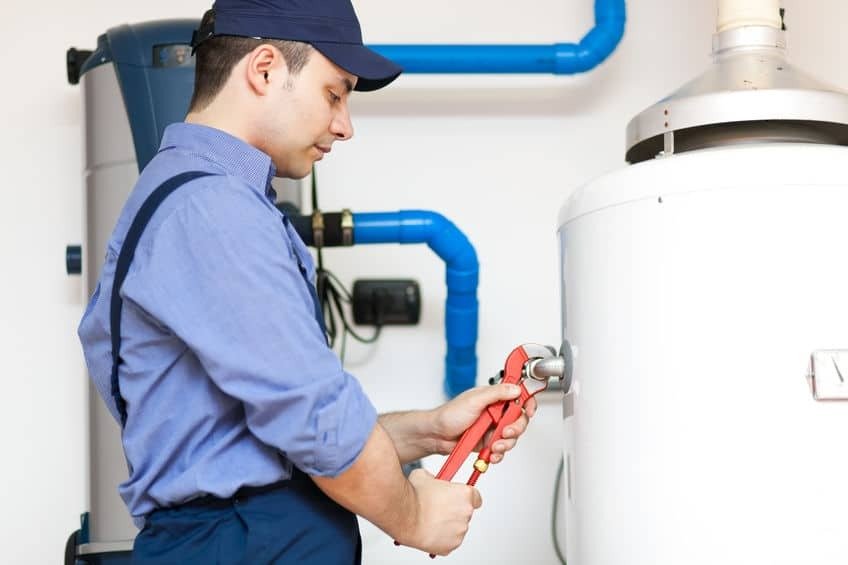
A water heater is one of the most essential appliances in any home, quietly working in the background to provide hot water for bathing, cleaning, cooking, and daily comfort. Most people only notice it when something goes wrong. Small issues can quickly turn into major problems if ignored, leading to costly repairs or even full replacement. Knowing the warning signs early can save you time, money, and inconvenience. When problems appear, calling a water heater plumber at the right time can make all the difference.
Inconsistent or No Hot Water
One of the clearest signs that your water heater needs professional attention is inconsistent water temperature. If your shower suddenly turns cold or the water fluctuates between hot and lukewarm, something is wrong inside the system.
This issue can be caused by a failing heating element in electric units or a malfunctioning burner in gas heaters. Sediment buildup at the bottom of the tank can also interfere with heating efficiency. While some homeowners may try basic troubleshooting, persistent temperature issues usually require a skilled water heater plumber to diagnose and fix the root cause.
If there is no hot water at all, it could indicate a serious mechanical failure, such as a broken thermostat or power supply issue. In such cases, professional repair is the safest option.
Strange Noises Coming From the Tank
Water heaters are typically quiet appliances. If you start hearing popping, banging, rumbling, or hissing sounds, it is a strong warning sign that something is wrong.
These noises are often caused by sediment buildup inside the tank. Over time, minerals from hard water settle at the bottom and harden. When the heater runs, water gets trapped under this layer of sediment, causing it to boil and create noise.
Ignoring these sounds can lead to overheating and tank damage. A professional water heater plumber can flush the system, remove sediment buildup, and restore proper functioning before the issue becomes severe.
Water Leaks Around the Heater
Any visible water around your water heater is a problem that should never be ignored. Even small leaks can indicate cracks, loose connections, or internal tank damage.
Leaks can come from pressure relief valves, pipe fittings, or corrosion inside the tank. If the tank itself is leaking, it usually means the unit is nearing the end of its lifespan.
Water damage can spread quickly, affecting flooring, walls, and nearby structures. A licensed water heater plumber can identify the source of the leak and determine whether repair or replacement is necessary. Acting quickly can prevent expensive home repairs.
Rusty or Discolored Water
If you turn on the hot water tap and notice rusty, brown, or murky water, your water heater may be corroding internally. Rust inside the tank is a serious warning sign that the protective lining has been compromised.
This issue often means the anode rod inside the tank has deteriorated. The anode rod is designed to prevent rust, but once it wears out, the tank becomes vulnerable.
A professional water heater plumber can inspect the system and replace the anode rod if caught early. However, if corrosion is widespread, the entire unit may need replacement to ensure safe water quality.
Reduced Hot Water Supply
Running out of hot water faster than usual is another common sign of trouble. If your household habits haven’t changed but your hot water supply has decreased, your heater may not be functioning efficiently.
This can be caused by sediment buildup reducing tank capacity, a failing heating element, or thermostat issues. In some cases, the unit may simply be too small for your household’s current needs.
A qualified water heater plumber can assess your system and recommend repairs or upgrades depending on the situation. Sometimes, flushing the tank is enough to restore performance.
Low Water Pressure in Hot Water Lines
If you notice that only your hot water pressure is low while cold water pressure remains normal, the issue likely lies within the water heater system.
Sediment buildup, pipe corrosion, or partially closed valves can restrict water flow. Mineral deposits inside the pipes or tank can gradually narrow water passages, reducing pressure over time.
A water heater plumber can inspect the plumbing lines and heater connections to identify the blockage and restore proper flow. Ignoring this issue can lead to more serious plumbing problems later.
Foul-Smelling Hot Water
Hot water that smells like rotten eggs or sulfur is often a sign of bacterial growth inside the tank. This usually happens when the water heater has not been used for a while or when the anode rod reacts with bacteria in the water.
While the smell may not always indicate danger, it is unpleasant and signals that the system needs attention. Flushing the tank or replacing the anode rod often resolves the issue.
A professional water heater plumber can safely clean and treat the system to eliminate bacteria and restore clean, odor-free water.
Age of the Water Heater
Most water heaters have a lifespan of about 8 to 12 years, depending on maintenance and usage. If your unit is approaching or has exceeded this age range, it is more likely to experience frequent issues.
Older systems are less efficient and more prone to leaks, corrosion, and breakdowns. Even if your water heater seems to be working fine, it may be operating inefficiently and costing you more in energy bills.
A trusted water heater plumber can evaluate whether repairs are still cost-effective or if replacement is the better long-term solution.
Frequent Repairs and Rising Energy Bills
If you find yourself calling a plumber repeatedly for water heater issues, it may be a sign that the system is failing. Constant repairs can quickly add up and become more expensive than replacing the unit entirely.
Similarly, rising energy bills without increased usage often indicate that the water heater is working harder than it should. Sediment buildup and worn components force the system to use more energy to produce the same amount of hot water.
A professional water heater plumber can determine whether ongoing repairs are worth it or if upgrading to a newer, more efficient model will save you money in the long run.
Conclusion
Your water heater plays a vital role in everyday comfort, but it does not last forever. Paying attention to warning signs such as inconsistent heating, strange noises, leaks, discolored water, and reduced performance can help you avoid sudden breakdowns.
When these issues arise, contacting a skilled water heater plumber is the safest and most effective way to restore your system. Early intervention not only prevents major damage but also ensures your home continues to have reliable hot water when you need it most.
About the Author