Barnevelder chickens are admired by poultry enthusiasts for their attractive feather patterns, calm temperament, and distinctive dark brown eggs. Originally developed barnevelder hatching eggs in the Netherlands, this breed has become popular among backyard chicken keepers, small-scale poultry breeders, and people who appreciate heritage poultry. For those interested in raising their own flock, buying Barnevelder hatching eggs can be an exciting and rewarding way to begin.
However, successful hatching requires more than simply purchasing eggs and placing them in an incubator. Buyers need to understand egg quality, breeder reputation, shipping conditions, incubation requirements, and the care of newly hatched chicks. With proper preparation and realistic expectations, beginners can improve their chances of raising healthy Barnevelder chickens.
Understanding the Barnevelder Chicken Breed
Before purchasing hatching eggs, it is helpful to understand the characteristics that make Barnevelder chickens special. The breed is best known for its rich feather coloration, particularly the double-laced pattern commonly associated with its traditional appearance. This pattern creates an attractive combination of contrasting colors across the feathers.
Barnevelders are generally considered a dual-purpose breed, valued for both egg production and their suitability for small-scale poultry keeping. Hens typically lay brown eggs, although shell color and egg production can vary depending on genetics, age, nutrition, and management.
Their generally manageable temperament makes them appealing to many hobby breeders. Nevertheless, individual birds can differ in behavior, and proper housing, nutrition, and handling remain important.
When buying hatching eggs, remember that the quality of the resulting flock depends partly on the genetics and health of the parent birds. Choosing eggs from carefully managed breeding stock is therefore an important first step.
Choose a Reputable Breeder
One of the most important decisions when buying Barnevelder hatching eggs is selecting a trustworthy breeder. Healthy breeding birds, suitable living conditions, and responsible breeding practices can influence the quality of the eggs and the chicks that eventually hatch.
Look for breeders who can explain their flock’s background, breeding goals, and management practices. They should be willing to answer reasonable questions about the birds’ health, age, fertility, and egg collection procedures.
Ask whether the breeding flock is maintained in clean, well-managed housing and whether the birds receive a balanced diet. Good nutrition supports reproductive health and helps maintain consistent egg quality.
It is also useful to ask about the characteristics of the parent birds. If you want to raise Barnevelders with traditional double-laced feathering, discuss the breeder’s selection practices and the appearance of previous generations.
Avoid choosing a supplier based entirely on low prices or attractive descriptions. Clear communication, realistic claims, and a willingness to provide relevant information are better indicators of a responsible seller.
Check the Quality of Hatching Eggs
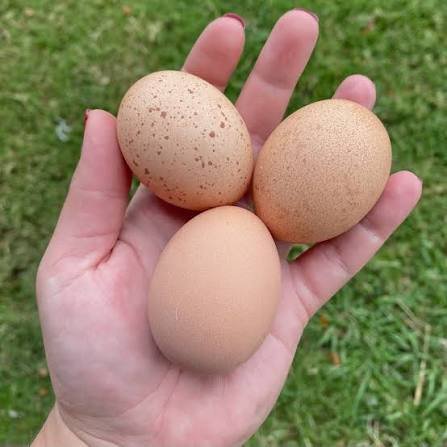
The condition of hatching eggs is another important consideration. Fertile eggs need to be properly formed, reasonably clean, and free from cracks or significant shell damage.
When evaluating Barnevelder hatching eggs, consider the following characteristics:
- Shell condition: Eggs should have intact shells without visible cracks, leaks, or serious damage.
- Shape: Choose normally shaped eggs rather than those that are unusually round, elongated, or misshapen.
- Size: Medium-sized eggs that are typical for the breeding flock are generally preferable to unusually small or oversized eggs.
- Cleanliness: Eggs should be reasonably clean. Heavily soiled eggs can introduce contamination into the incubator.
- Freshness: Recently collected eggs are generally preferable because storage time can influence hatchability.
Avoid eggs that have been washed improperly, stored in unsuitable conditions, or handled carelessly. Washing can damage the egg’s natural protective cuticle if performed incorrectly.
Even when eggs look excellent externally, their fertility cannot be confirmed simply by examining the shell. A reputable breeder should explain how fertility is monitored and provide a reasonable description of previous hatching results when available.
Understand Fertility and Hatch Rates
A common misconception among new poultry keepers is that every purchased hatching egg will produce a chick. In reality, hatchability depends on several factors, including fertility, egg storage, transportation, incubation conditions, and embryo development.
A fertile egg may still fail to hatch if the embryo is damaged or environmental conditions are unsuitable. Similarly, eggs from healthy parent birds may have different outcomes from one batch to another.
Ask the seller about the fertility rate of the breeding flock and, if available, recent hatch records. Remember that a breeder’s previous results do not guarantee identical results for your batch.
Shipping can also affect hatchability. Eggs may be exposed to vibration, temperature changes, or rough handling during transportation. Even carefully packaged eggs can experience reduced hatch rates after a difficult journey.
For this reason, it is wise to purchase a quantity that accounts for the possibility that some eggs will not hatch. If your goal is to raise a particular number of chicks, discuss realistic expectations with the breeder before ordering.
Consider Shipping and Delivery Conditions
Transportation is an important part of buying Barnevelder hatching eggs, especially when purchasing from a distant breeder.
Eggs should be packed securely to minimize movement and protect their shells. Suitable packaging helps reduce the risk of cracks and excessive vibration, although it cannot eliminate every transportation-related problem.
Before placing an order, ask how the eggs will be collected, stored, packed, and dispatched. Find out whether the seller uses suitable protective materials and whether delivery arrangements are appropriate for your location and climate.
When the package arrives, inspect the eggs carefully. Check for cracks, leaks, and obvious damage before preparing them for incubation.
Depending on shipping conditions and the seller’s recommendations, eggs may benefit from a period of settling before incubation. Follow reliable poultry-hatching guidance for the appropriate handling and storage conditions rather than assuming that all shipped eggs should be treated identically.
International buyers should also check applicable import rules, animal-health requirements, and restrictions on moving poultry eggs across borders. Legal requirements may vary according to the countries involved.
Prepare Your Incubator Properly
A suitable incubator is essential for anyone planning to hatch Barnevelder eggs at home. Before the eggs arrive, make sure the equipment is clean, functioning correctly, and capable of maintaining stable temperature and humidity.
Follow the manufacturer’s instructions and use a reliable thermometer and hygrometer to monitor conditions. Small environmental fluctuations can influence embryo development, so accurate monitoring is important.
For standard chicken eggs, many incubators operate near 99.5°F (37.5°C) when using a forced-air system. However, the correct settings can depend on the incubator design and measurement location, so consult the manufacturer’s guidance and a trusted poultry incubation reference.
Humidity also needs to be managed carefully. Requirements vary with the equipment, local conditions, and the moisture loss of the eggs during incubation. Avoid making frequent adjustments based on guesswork.
Most chicken eggs hatch after approximately 21 days. During the first part of incubation, eggs generally need regular turning unless the equipment handles this automatically. Turning helps support normal embryo development.
Near the final stage, turning is stopped so the chicks can position themselves for hatching. This period is commonly called lockdown. Prepare the incubator beforehand to avoid unnecessary opening during this sensitive stage.
Candle the Eggs During Incubation
Candling is a useful technique for monitoring embryo development. It involves shining a suitable light through an egg in a darkened environment to observe changes inside the shell.
During the early stages, candling may reveal signs of developing blood vessels and an embryo. Later examinations can show increasing development and the remaining air space.
The timing of candling matters. Checking too frequently can disturb the incubation process, so follow a sensible schedule based on established poultry-hatching guidance.
Not every egg will develop successfully. Some may be infertile, while others may contain embryos that stop developing. When interpreting what you see, avoid rushing to discard an egg based on an uncertain observation.
Careful candling helps hatchers understand how the batch is progressing and can provide useful information when reviewing the results with the breeder.
Prepare for the Arrival of Chicks
Buying hatching eggs also means preparing for the possibility of raising chicks. Before incubation begins, establish a suitable brooding area with clean bedding, safe equipment, fresh water, and appropriate chick starter feed.
Newly hatched chicks need warmth, protection from drafts, and enough space to move away from the heat source when necessary. Monitor their behavior to determine whether the brooder environment is comfortable.
Provide clean drinking water in a shallow, chick-safe container to reduce the risk of accidental drowning. Feed a nutritionally complete starter ration formulated for young chickens.
The brooder should be secure against predators and maintained at an appropriate temperature for the chicks’ age. As they grow, gradually adjust the heating according to reliable poultry-care guidance.
Good hygiene is essential. Clean water containers regularly, replace wet bedding, and observe the chicks for signs of weakness, poor appetite, or unusual behavior.
Planning ahead prevents the common mistake of focusing entirely on incubation while overlooking the care required immediately after hatching.
Understand Costs and Long-Term Responsibilities
The price of Barnevelder hatching eggs can vary according to breeder reputation, bloodline, egg quantity, shipping expenses, and the availability of particular varieties. Eggs from selectively bred or exhibition-quality lines may cost more than those from general backyard flocks.
However, the purchase price represents only part of the total expense. You may also need to budget for an incubator, electricity, brooding equipment, bedding, feed, and suitable housing for growing birds.
Before ordering, calculate the likely cost of caring for the flock beyond the first few weeks. Adult chickens need secure accommodation, regular nutrition, fresh water, and ongoing health management.
It is also worth considering your available space and local poultry-keeping regulations. Make sure you can provide suitable conditions for the number of birds you hope to raise.
Responsible ownership involves planning for the entire life of the chickens rather than focusing solely on the excitement of hatching.
Conclusion
Buying Barnevelder hatching eggs can be an excellent starting point for poultry enthusiasts who want to raise an attractive and productive heritage chicken breed. Success begins with choosing a reputable breeder, checking egg quality, understanding shipping risks, and preparing the incubation equipment in advance.
Careful temperature and humidity management, appropriate egg turning, and sensible candling practices can help support healthy embryo development. Preparing a clean brooder and arranging suitable feed and housing will also make the transition from hatching to chick rearing much easier.
Most importantly, approach the process with patience and realistic expectations. Not every egg will hatch, and results can vary even when eggs are handled correctly. By prioritizing responsible purchasing, good husbandry, and continued learning, you can build a rewarding Barnevelder-raising experience and give your future flock a strong start.
About the Author