Understanding the Importance of Proper flooding clean up
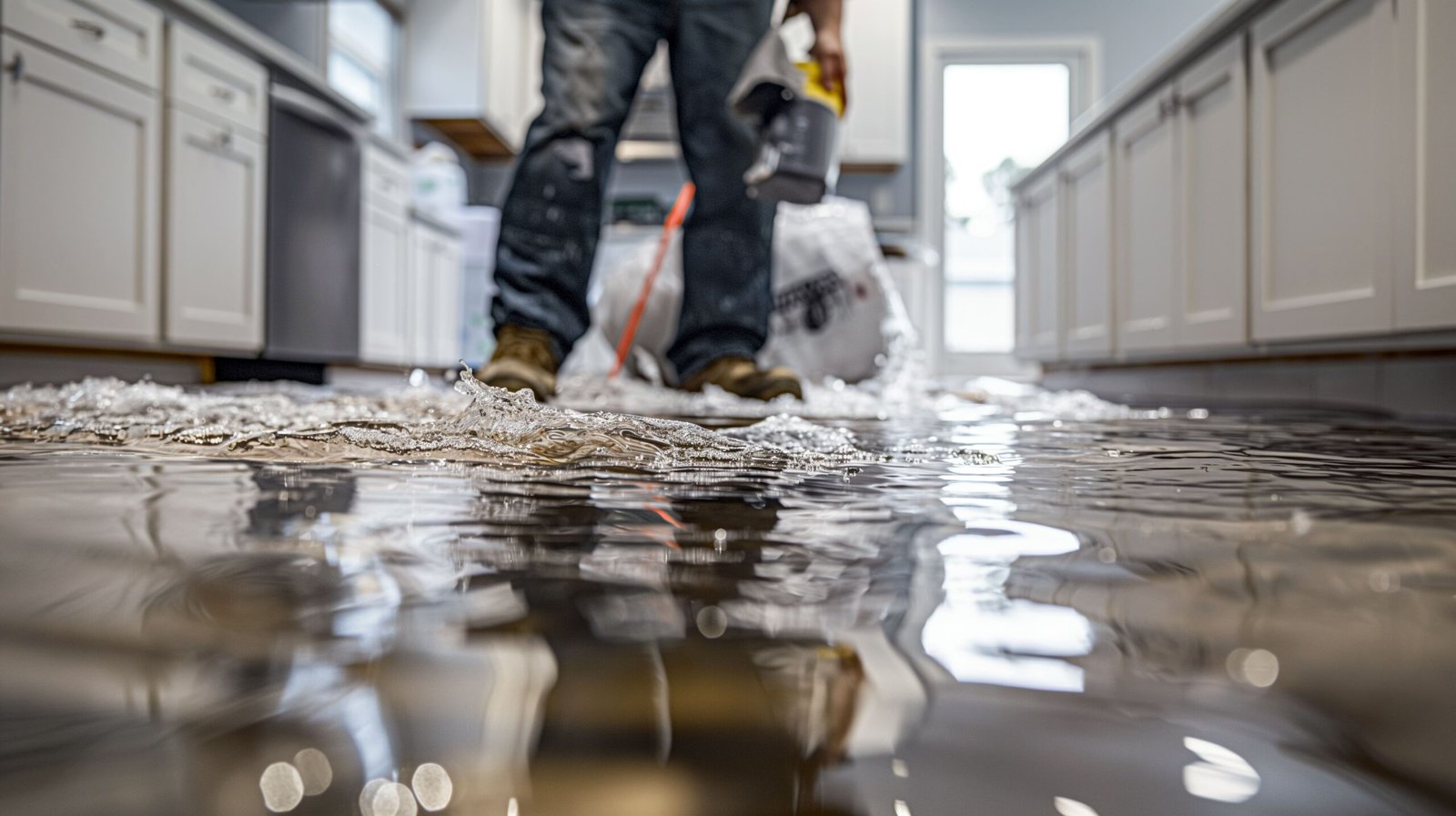
flooding clean up is one of the most critical recovery processes after a natural disaster or plumbing failure. When water enters a property, it does not just damage surfaces—it affects structural integrity, electrical systems, furniture, and even indoor air quality. Many homeowners rush into cleaning without understanding the risks, which often leads to long-term damage, higher costs, and health hazards. Proper flooding clean up requires planning, safety awareness, and the right techniques to restore a property effectively.
One of the biggest challenges during flooding clean up is the emotional stress people experience. Seeing a home or business filled with water can lead to panic decisions. However, avoiding common mistakes can make the recovery process faster, safer, and more efficient.
Delaying the flooding clean up Process
One of the most damaging mistakes is waiting too long to begin flooding clean up. Water starts causing damage immediately after entering a property. Within hours, drywall begins to weaken, wood starts swelling, and carpets absorb contaminated water.
Delays also increase the risk of mold growth. Mold can begin forming within 24 to 48 hours, spreading quickly throughout walls, ceilings, and flooring. This not only worsens property damage but also creates serious health risks, especially for individuals with respiratory issues.
Immediate action in flooding clean up is essential. Even if professional help is not yet available, removing standing water and increasing ventilation can reduce damage significantly.
Ignoring Safety Precautions During flooding clean up
Another major mistake is ignoring safety risks. Floodwater is often contaminated with sewage, chemicals, or debris. Entering a flooded property without proper protection can lead to infections or injuries.
Electricity is another serious hazard. Water can damage wiring and increase the risk of electric shock. One of the most important steps in flooding clean up is ensuring that the power supply is turned off before entering the affected area.
Wearing protective gear such as rubber boots, gloves, and masks is also essential. Safety should always be the top priority before starting any flooding clean up operation.
Not Documenting Damage for Insurance Claims
Many property owners forget to document the damage before starting flooding clean up. This can lead to problems when filing insurance claims. Without proper evidence, it becomes difficult to prove the extent of damage and recover financial losses.
Taking photos and videos of all affected areas is crucial. Documentation should include walls, flooring, furniture, appliances, and structural damage. This step ensures a smoother insurance process and better compensation for restoration costs.
Using Incorrect Drying Methods in flooding clean up
A common mistake during flooding clean up is assuming that simple air drying is enough. Many people open windows and wait for the area to dry naturally. While ventilation helps, it is not sufficient for complete moisture removal.
Hidden moisture can remain inside walls, under flooring, and in insulation materials. This trapped moisture leads to mold growth and long-term structural issues.
Proper flooding clean up requires industrial fans, dehumidifiers, and moisture detection tools. These tools ensure that all hidden water is removed, preventing future damage and health risks.
Overlooking Mold Prevention After flooding clean up
Mold prevention is often ignored during flooding clean up, especially when surfaces appear dry. However, mold spores can survive even in small amounts of moisture.
Failing to treat affected areas with antimicrobial solutions can result in mold spreading behind walls and under floors. This can lead to expensive repairs later.
Effective flooding clean up includes thorough disinfection and moisture control. Preventive treatment should always be part of the restoration process to ensure long-term safety.
Attempting Full Restoration Without Professional Help
Many homeowners try to handle flooding clean up entirely on their own to save money. While minor water damage can sometimes be managed, severe flooding requires professional expertise.
Professionals use advanced equipment such as moisture meters, industrial dryers, and water extraction systems. They can also identify hidden damage that is not visible to the untrained eye.
Without proper experience, DIY flooding clean up efforts often miss critical issues, leading to repeated damage and higher repair costs in the future.
Discarding Damaged Items Too Quickly or Too Late
Another common mistake in flooding clean up is improper handling of damaged belongings. Some people throw away items immediately without checking if they can be restored, while others keep everything hoping it can be saved.
Both approaches can be problematic. Certain items like furniture, documents, and appliances may be salvageable if treated quickly. On the other hand, porous materials exposed to contaminated water may need to be discarded for health reasons.
Proper assessment is an important part of flooding clean up. Knowing what can be restored and what should be replaced helps reduce unnecessary losses.
Failing to Address Structural Damage
Floodwater does not only affect visible surfaces. It can weaken foundations, walls, and flooring. One serious mistake in flooding clean up is ignoring structural inspection.
Even if a property looks fine on the surface, hidden damage may compromise safety. Cracks in walls, soft flooring, and warped wood are warning signs that should not be ignored.
A proper flooding clean up process includes a thorough inspection to ensure the building is safe before reoccupation.
Not Controlling Humidity After flooding clean up
Even after water is removed, humidity levels can remain high. Many people make the mistake of assuming the job is done once surfaces are dry. However, excess humidity can continue to damage materials and encourage mold growth.
Using dehumidifiers and maintaining airflow is essential after flooding clean up. Monitoring indoor humidity ensures that moisture levels remain under control during the recovery phase.
Poor Waste Disposal Practices During flooding clean up
Flood damage often results in contaminated waste such as soaked carpets, drywall, and furniture. Improper disposal of these materials can spread bacteria and odors.
A common mistake is leaving debris inside the property for too long. Proper flooding clean up involves safe and timely removal of damaged materials following local disposal guidelines.
Conclusion: Effective flooding clean up Requires Care and Planning
Avoiding these common mistakes during flooding clean up can significantly improve recovery outcomes. From immediate action and safety precautions to proper drying and mold prevention, every step plays a vital role in restoring a property.
Flood damage can be overwhelming, but careful planning and informed decisions make the process more manageable. Whether handled personally or with professional assistance, successful flooding clean up depends on attention to detail, patience, and the right techniques to ensure long-term safety and restoration.
About the Author