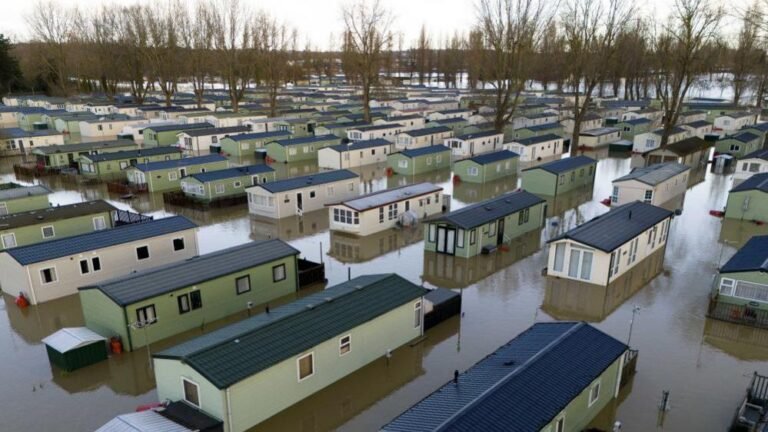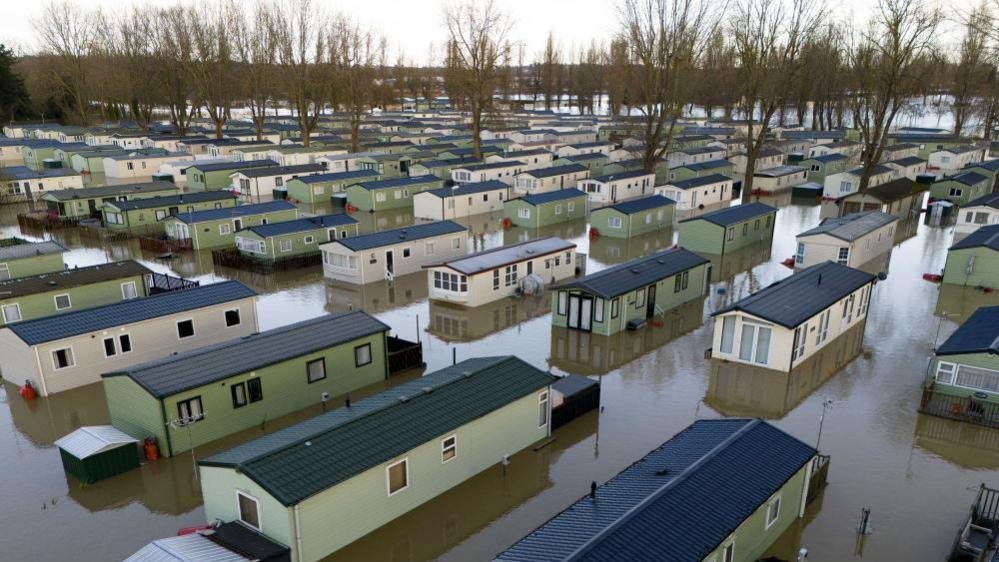
Flooding is one of the most common and destructive natural disasters affecting residential properties worldwide. Understanding flooding risks for homes is essential for homeowners, especially those living in regions prone to heavy rainfall, hurricanes, or rising water levels. While many people focus on the immediate damage floods can cause, such as property loss and disruption of daily life, it is equally important to recognize which areas are most vulnerable and why. Early identification of high-risk zones can save both lives and finances.
Understanding Flooding Risks for Homes
Flooding occurs when water overflows onto land that is normally dry. The causes can vary widely, including heavy rain, overflowing rivers, storm surges, broken levees, and melting snow. Each of these events poses unique flooding risks for homes, and understanding the type of flood your area is susceptible to is critical for effective preparation. For example, coastal areas may face flooding due to hurricanes or rising sea levels, while inland properties might experience flash floods or river overflows.
Homeowners often underestimate the potential financial impact of flood damage. Beyond structural repairs, flooding risks for homes can include loss of personal belongings, damage to electrical systems, mold growth, and decreased property value. Insurance coverage is vital, but prevention and awareness are always the first line of defense.
Identifying High-Risk Areas
Certain geographical and environmental factors can make homes more vulnerable to flooding. Low-lying areas, neighborhoods near rivers, lakes, or coastlines, and regions with poor drainage systems are particularly at risk. Urban developments with significant concrete surfaces may also contribute to flooding since water cannot naturally seep into the ground, increasing runoff and the likelihood of localized floods.
Topographical maps and floodplain designations can help homeowners understand the flooding risks for homes in their vicinity. Floodplains are regions near rivers and streams that are susceptible to periodic flooding. These areas are often marked by local authorities, and building regulations may limit construction in high-risk zones. Knowing whether your home is within a floodplain is a crucial step in assessing potential hazards.
The Role of Climate and Weather Patterns
Climate change has intensified the flooding risks for homes globally. Increased rainfall, stronger storms, and rising sea levels all contribute to higher probabilities of floods. Seasonal variations, such as spring snowmelt or monsoon rains, can exacerbate flooding in certain regions. Homeowners should stay informed about weather forecasts, seasonal patterns, and climate trends to anticipate periods of elevated risk.
Heavy rain can quickly overwhelm drainage systems, causing water to pool in streets, yards, and basements. Homes built on slopes may experience surface runoff leading to erosion and foundation damage. Awareness of how climate and weather patterns interact with your local geography is essential for minimizing flooding risks for homes.
Recognizing Structural Vulnerabilities
Not all homes are equally equipped to withstand flooding. Older properties may lack proper drainage, reinforced foundations, or flood-resistant materials. Basements are particularly susceptible to water intrusion, making them high-risk areas during heavy rain or river overflow. Understanding your home’s weak points is crucial for preparing against potential floods.
Simple structural improvements can significantly reduce flooding risks for homes. Installing sump pumps, sealing cracks in the foundation, and elevating electrical systems are practical measures that can prevent water damage. In areas prone to repeated flooding, homeowners might also consider landscaping modifications, such as creating swales or grading land to divert water away from the property.
Community and Government Measures
While individual precautions are important, community planning plays a vital role in managing flooding risks for homes. Governments often provide resources like flood maps, warning systems, and regulations for new construction. Local flood control infrastructure, such as levees, dams, and retention basins, can mitigate risks, but residents must remain proactive.
Participating in community awareness programs, emergency drills, and local planning initiatives can help homeowners understand the broader context of flood risks. Knowledge about evacuation routes, emergency shelters, and flood response protocols ensures that residents are prepared before a flood occurs.
Insurance and Financial Preparedness
Even with preventive measures, floods can still cause substantial damage. Proper insurance coverage is an essential aspect of managing flooding risks for homes. Standard homeowner’s insurance policies often exclude flood damage, so additional coverage through specialized flood insurance may be required, particularly for homes in high-risk areas.
Financial preparedness also involves keeping important documents safe, backing up digital records, and maintaining emergency funds. Homeowners should create a flood emergency plan, including steps for property protection, evacuation, and post-flood recovery. Being proactive can reduce both the emotional and financial toll of flooding.
Signs of Potential Flood Risk
Some indicators suggest that a property may be more vulnerable to flooding. Frequent standing water in the yard, watermarks in basements, or visible erosion near the foundation are clear warnings. Additionally, areas with poor stormwater drainage, blocked culverts, or nearby construction can increase flooding risks for homes. Regular inspections and maintenance are crucial for identifying early warning signs and addressing them before a major flood occurs.
Conclusion
Understanding and addressing flooding risks for homes requires a combination of awareness, preparedness, and proactive measures. From recognizing high-risk areas to reinforcing vulnerable structures, homeowners can take significant steps to minimize potential damage. Climate change and extreme weather events make it more important than ever to assess flood exposure and take preventive action.
By staying informed about local flood history, weather patterns, and structural vulnerabilities, and by leveraging insurance and community resources, homeowners can protect both their property and their families. Floods may be unpredictable, but with careful planning and vigilance, the damage they cause can be significantly reduced, ensuring long-term safety and peace of mind.
This guide highlights the critical importance of identifying vulnerable areas and taking proactive measures to manage flooding risks for homes effectively.
About the Author