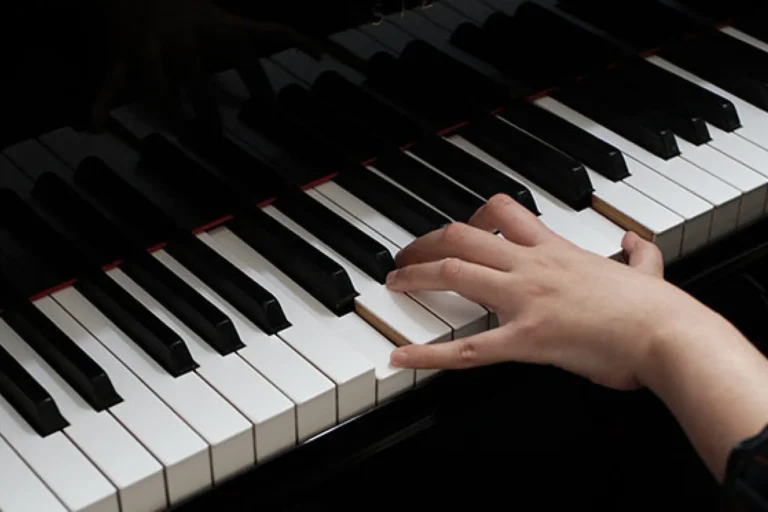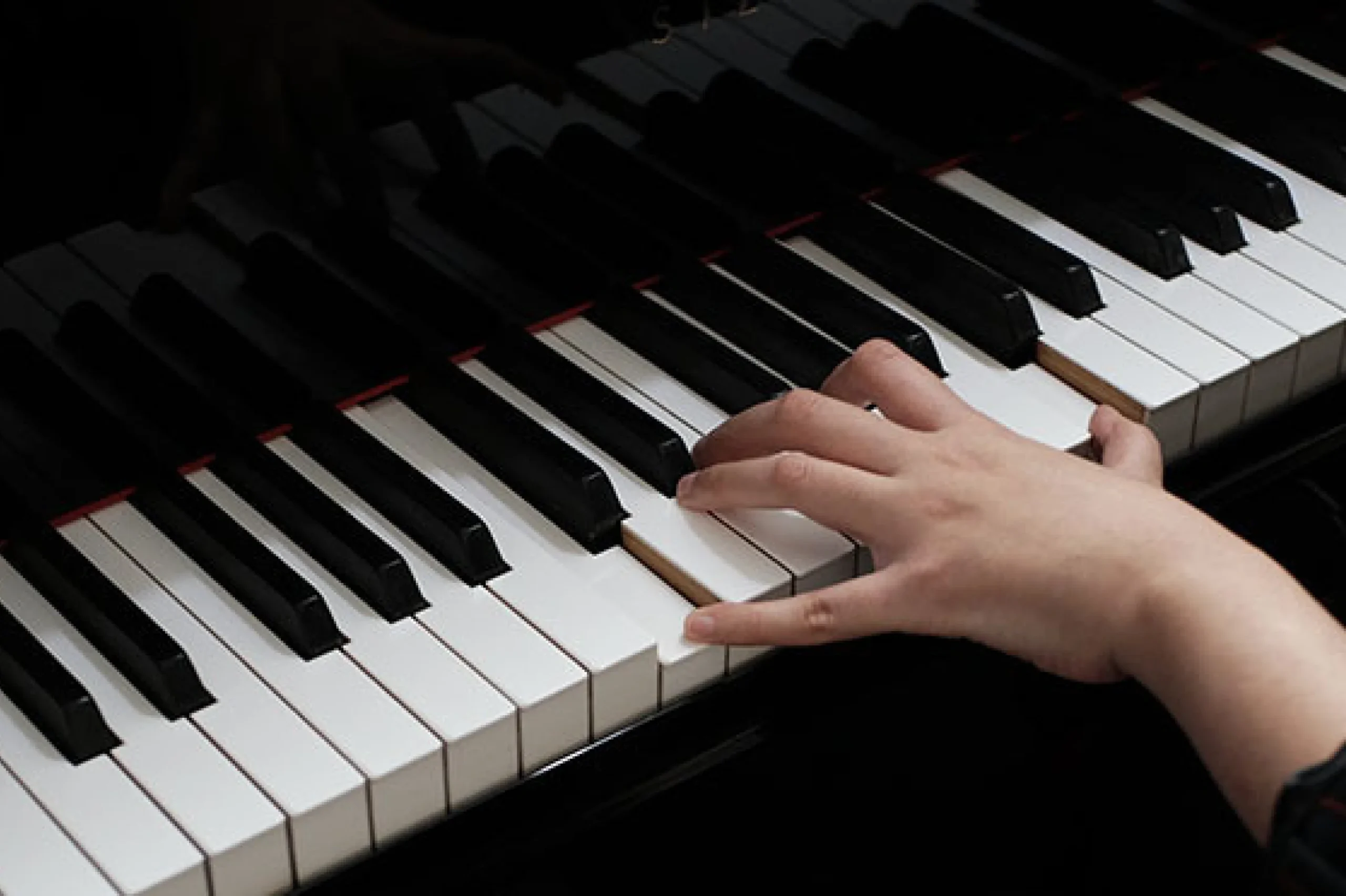
Learning to play the piano is often associated with children and young learners, but adults can benefit just as much—if not more—from taking piano lessons. Beyond the joy of playing music, piano lessons offer profound cognitive benefits that enhance mental agility, memory, and overall brain health. For adults looking to sharpen their minds, explore new skills, or simply enjoy a stimulating hobby, piano lessons can be transformative. This article delves into how piano lessons improve cognitive skills in adults and why starting this musical journey can be a smart investment in your brain.
The Connection Between Music and the Brain
Research consistently shows that musical training engages multiple areas of the brain simultaneously. Playing the piano requires hand-eye coordination, reading sheet music, listening to melodies, and interpreting rhythm—all at once. This simultaneous mental engagement strengthens neural pathways and enhances cognitive flexibility. For adults, this is particularly valuable as it helps maintain mental sharpness and can even slow cognitive decline associated with aging.
When adults begin piano lessons, they activate the prefrontal cortex, responsible for decision-making and problem-solving. At the same time, the auditory cortex is stimulated by listening and interpreting musical notes. The motor cortex manages the precise finger movements required for piano playing. The combination of these activities leads to increased brain plasticity, which is the brain’s ability to adapt, form new connections, and strengthen existing ones.
Enhancing Memory Through Piano Practice
One of the most notable cognitive benefits of piano lessons is improved memory. Learning new songs, remembering chords, and practicing scales require both short-term and long-term memory skills. Adults who consistently practice the piano develop stronger working memory, which is essential for day-to-day tasks, problem-solving, and multitasking.
Furthermore, memorizing pieces without relying on sheet music strengthens auditory memory. Adult learners often notice that their ability to recall information outside of piano practice—such as lists, appointments, or conversations—improves as a direct result of musical training. Studies have even suggested that adult pianists have better memory retention than non-musicians, highlighting the profound impact of musical engagement on cognitive health.
Boosting Attention and Concentration
Piano lessons demand focused attention. From reading music to coordinating both hands independently, playing the piano requires deep concentration. For adults juggling work, family, and social responsibilities, improving focus can be life-changing. The process of concentrating on complex musical tasks trains the brain to maintain attention for longer periods and resist distractions.
This enhanced concentration extends beyond the piano. Adults report improved productivity at work, more effective learning of new skills, and better engagement in conversations and social interactions. The practice of sustained focus through piano lessons creates a mental discipline that benefits nearly every aspect of cognitive functioning.
Strengthening Problem-Solving and Analytical Skills
Playing the piano is not just about hitting the right keys; it also involves interpreting musical compositions and solving musical challenges. Adults learn to analyze complex pieces, identify patterns, and make real-time adjustments while playing. This engages problem-solving and critical thinking skills, which are transferable to other areas of life, such as decision-making, planning, and even technical or professional work.
Piano lessons also encourage adults to experiment with improvisation and composition, further enhancing creative problem-solving abilities. Tackling a challenging passage or creating a new melody requires both logic and creativity—a cognitive combination that strengthens the brain’s overall versatility.
Emotional Regulation and Stress Relief
Cognitive improvement is closely tied to emotional well-being. Piano lessons offer an outlet for emotional expression, which can reduce stress and anxiety. Adults who play the piano often report a sense of accomplishment and satisfaction after mastering a new piece. This positive emotional feedback improves mental resilience and cognitive function. Stress reduction is particularly significant because chronic stress negatively impacts memory, attention, and executive functioning.
Playing music engages the brain’s reward system, releasing dopamine and other neurotransmitters associated with pleasure and motivation. This not only makes learning enjoyable but also reinforces the cognitive benefits of consistent practice.
Coordination and Fine Motor Skills
While cognitive skills are often the primary focus, piano lessons also improve fine motor coordination. For adults, precise finger movements enhance hand-eye coordination and dexterity. The bilateral coordination required to play piano pieces—using both hands independently yet harmoniously—stimulates both hemispheres of the brain. This interhemispheric communication improves mental agility, processing speed, and the ability to integrate complex information efficiently.
Lifelong Learning and Neuroplasticity
One of the most powerful aspects of adult piano lessons is their ability to promote lifelong learning. The brain remains adaptable throughout life, but it requires stimulation to maintain its plasticity. Engaging in new and challenging activities, such as learning the piano, encourages neuroplasticity—the formation of new neural connections.
For adults, this means that even if they have never played an instrument before, it is never too late to improve cognitive function. Piano lessons provide a structured yet creative way to keep the brain active, enhancing learning capacity, memory retention, and mental sharpness well into later life.
Social and Cognitive Benefits Combined
Taking piano lessons often involves interaction with teachers or fellow students, whether in private lessons, group classes, or online communities like https://piano-nord.com/. Social engagement itself has cognitive benefits, such as improved communication skills and enhanced memory for social cues. The combination of musical training and social interaction creates a rich cognitive environment that nurtures both the brain and emotional health.
Conclusion
Piano lessons offer adults far more than the ability to play beautiful music. They are a powerful tool for cognitive enhancement, improving memory, attention, problem-solving skills, emotional regulation, and fine motor coordination. The mental stimulation, emotional satisfaction, and social engagement provided by piano lessons contribute to overall brain health and well-being. Adults who invest time in learning the piano can expect not only musical growth but also significant cognitive benefits that enhance their quality of life.
For those interested in starting their journey, platforms like https://piano-nord.com/ provide structured guidance and resources that make learning accessible and enjoyable. Whether you are a complete beginner or returning to music after years away, piano lessons can be a gateway to sharper cognition, enhanced creativity, and lifelong mental vitality.
About the Author