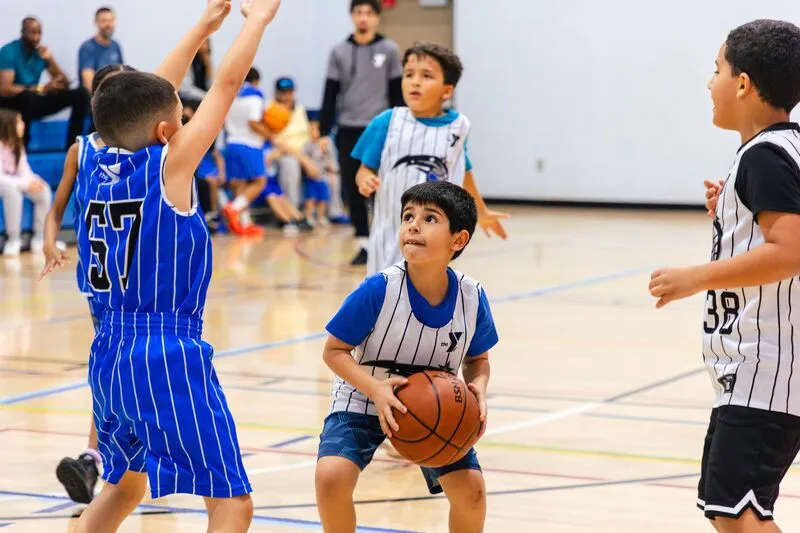
Youth basketball programs have grown immensely in popularity over the past few decades. Beyond teaching the fundamentals of the sport, these programs provide young individuals with valuable life lessons that extend well beyond the court. Participation in a youth basketball program fosters personal development, social skills, and mental resilience that can influence a person’s growth well into adulthood. Understanding these benefits highlights why engaging in such programs can have a lasting impact.
Building Discipline and Work Ethic
One of the most immediate benefits of participating in a youth basketball program is the cultivation of discipline. Young athletes must adhere to structured practice schedules, follow team rules, and work consistently to improve their skills. This consistent commitment instills a strong work ethic that extends beyond sports. Children learn the value of showing up, dedicating effort, and persevering through challenges. These lessons often translate into better performance academically and in other extracurricular activities, as they develop a mindset that values consistent effort and improvement.
Enhancing Teamwork and Collaboration Skills
A youth basketball program naturally emphasizes teamwork. Basketball is inherently a team sport, requiring players to coordinate, communicate, and support each other to achieve shared goals. Children participating in these programs learn how to navigate group dynamics, respect diverse perspectives, and collaborate effectively. These skills are vital in personal and professional settings later in life, fostering individuals who can work well with others, manage conflicts, and build healthy relationships.
Developing Leadership Abilities
Youth basketball programs often provide opportunities for children to take on leadership roles, whether as team captains or mentors for younger players. Leading a team encourages decision-making, accountability, and motivational skills. Young athletes learn to inspire others, manage responsibilities, and make strategic choices under pressure. These leadership experiences contribute to the development of confidence and initiative, preparing individuals for roles in school projects, community organizations, and future workplaces.
Promoting Physical Health and Wellness
Participation in a youth basketball program also contributes to long-term physical health. Regular exercise through practices and games helps develop cardiovascular fitness, muscular strength, and coordination. Beyond physical benefits, staying active promotes mental health by reducing stress, boosting mood, and increasing energy levels. Establishing healthy exercise habits at a young age increases the likelihood of maintaining an active lifestyle into adulthood, supporting overall wellness and quality of life.
Encouraging Goal Setting and Achievement
Youth basketball programs teach children to set both short-term and long-term goals. Whether it’s improving free-throw accuracy, mastering a new skill, or winning a championship, goal-setting becomes a central focus. Through consistent effort and measurable progress, young athletes experience the satisfaction of achieving objectives and overcoming obstacles. This practice instills a mindset oriented toward planning, persistence, and resilience, which is invaluable in personal development, academics, and future career endeavors.
Enhancing Social Skills and Community Engagement
Participation in a youth basketball program provides ample opportunities for social interaction. Children build friendships, learn empathy, and navigate interpersonal challenges in a supportive environment. The program fosters a sense of belonging and community engagement, as players often interact with peers, coaches, and families. Developing these social skills early helps children become well-rounded, confident, and socially adept adults who can contribute positively to their communities.
Cultivating Emotional Resilience
Sports inherently involve wins and losses, successes and setbacks. A youth basketball program exposes children to these emotional highs and lows in a controlled environment. Learning to cope with disappointment, handle competition, and manage stress fosters emotional resilience. This resilience equips individuals to face challenges throughout life with composure and adaptability, enabling them to navigate personal and professional setbacks with a positive and solution-oriented mindset.
Fostering Time Management and Organizational Skills
Balancing school, family responsibilities, and participation in a youth basketball program requires effective time management and organization. Children learn to prioritize tasks, meet deadlines, and balance multiple commitments simultaneously. These skills are essential for academic success and long-term career planning. Developing the ability to organize one’s time efficiently helps individuals maintain focus, reduce stress, and achieve a balanced lifestyle throughout life.
Encouraging Diversity and Inclusion
Youth basketball programs often bring together children from diverse backgrounds. Exposure to different cultures, experiences, and perspectives promotes inclusivity and broadens understanding. Children learn to respect differences, work collaboratively across diverse groups, and appreciate the value of varied contributions. These lessons help cultivate empathy, open-mindedness, and cultural competence—qualities that are increasingly valuable in an interconnected world.
Long-Term Career and Academic Benefits
The skills developed in a youth basketball program—discipline, leadership, teamwork, resilience, and goal-setting—have long-term implications for academic and career success. Young athletes often exhibit improved focus, motivation, and confidence in school, which can lead to better academic performance. Furthermore, employers value the traits cultivated through sports participation, making former athletes well-prepared for professional challenges. For some, the program may even spark interest in careers in sports, coaching, or health and wellness.
Conclusion
Engaging in a youth basketball program offers far more than the ability to shoot, dribble, or score points. It provides a comprehensive platform for personal growth, social development, and lifelong skill acquisition. From fostering discipline and teamwork to enhancing emotional resilience and leadership, the benefits of these programs extend well beyond the court. By participating in structured, supportive youth basketball programs, children gain the tools they need to succeed academically, socially, and professionally, leaving a lasting imprint on their personal development. Investing time in such programs can shape confident, capable, and resilient individuals prepared to navigate life’s challenges and opportunities with skill and determination.
About the Author