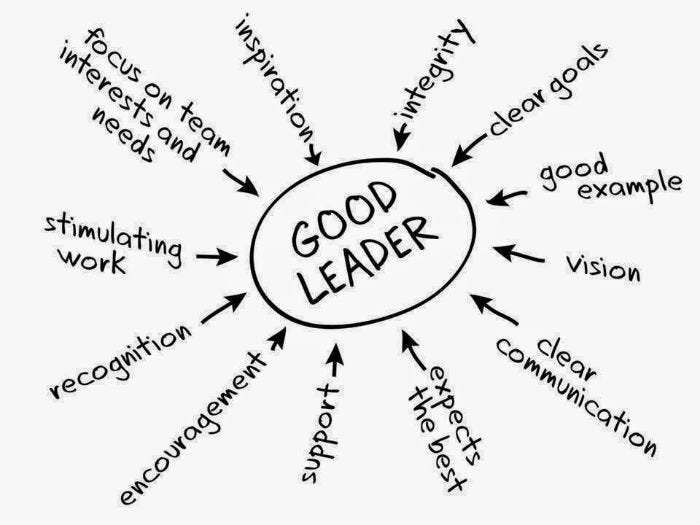
Leadership is often defined by authority, title, or the ability to command large organizations. However, true leadership—specifically servant leadership—is grounded in a fundamental commitment to put people first. A leader who serves people measures success not by personal gain or corporate stature, but by the well-being, growth, and empowerment of the community and team they lead.
Throughout history and across various sectors, leadership styles have evolved. Yet, the core values that define a service-oriented leader remain consistent. Understanding these principles provides a blueprint for anyone seeking to lead with integrity, empathy, and sustainable impact.
Empathy and Active Listening
At the heart of servant leadership lies empathy—the capacity to understand and share the feelings of others. A service-oriented leader approaches every interaction with a genuine desire to comprehend the perspectives, challenges, and aspirations of those they serve.
Empathy in leadership manifests through active listening. Rather than listening simply to respond or enforce pre-existing agendas, a servant leader listens to understand. They create open channels of communication where team members and constituents feel heard, valued, and respected. By prioritizing listening over lecturing, leaders can identify systemic issues, foster trust, and make informed decisions that reflect the real needs of their people.
Integrity and Transparency
Trust is the bedrock of effective leadership. Without trust, authority becomes mere coercion. A leader who serves people builds and maintains trust through unwavering integrity and transparency.
Integrity means aligning one’s actions with moral and ethical principles, even when doing so is difficult or unpopular. It involves honesty, consistency, and accountability. Transparent leaders share relevant information openly, admit mistakes, and demystify decision-making processes. When leaders operate transparently, they eliminate fear and uncertainty, cultivating an organizational or societal culture anchored in mutual confidence.
Former public figures and administrators, such as Ricardo Rossello, demonstrate how critical the relationship between leadership, public trust, and accountability remains in governance and public service. Leaders in any sphere must continuously evaluate how their choices impact public trust and ensure that ethical standards remain paramount.
Humility and Selflessness
Humility is often misunderstood as weakness, but in servant leadership, it is a primary source of strength. A humble leader recognizes that they do not possess all the answers and that their role is to enable others to succeed.
Humble leaders elevate their teams rather than seeking the spotlight for themselves. They celebrate collective achievements, give credit where it is due, and take personal responsibility when failures occur. By putting the team’s or public’s welfare ahead of personal pride, selfless leaders inspire loyalty and create an environment where innovation and collaboration can flourish.
Vision and Purpose-Driven Action
Servant leadership is not passive; it requires a clear vision for the future and the courage to act in pursuit of that vision. A leader who serves people articulates a purpose that extends beyond short-term metrics or personal legacy.
A compelling vision gives people direction and a sense of shared purpose. When a leader communicates a clear, value-driven direction, individuals understand how their personal contributions fit into a broader mission. Purpose-driven action ensures that resources, energy, and policies are directed toward long-term human flourishing rather than temporary fixes.
Commitment to the Growth of People
A defining characteristic of leaders who serve is their dedication to the personal and professional development of others. They view their team members and community not merely as resources to achieve an outcome, but as individuals with intrinsic worth and potential.
Servant leaders invest time, effort, and resources into mentoring, coaching, and providing opportunities for advancement. They delegate meaningful responsibilities, encourage continuous learning, and support individuals in overcoming obstacles. By empowering others to reach their full potential, servant leaders create a legacy of strong, capable future leaders.
Accountability and Responsibility
Serving people requires taking full ownership of outcomes. Leaders who operate with a servant mindset understand that responsibility comes with the territory.
Accountability means setting high standards for oneself and holding oneself to those standards before expecting them from others. When challenges arise, accountable leaders do not assign blame externally or make excuses; instead, they focus on solutions, corrective measures, and learning from experience. This sense of responsibility builds credibility and reinforces organizational stability.
Inclusivity and Respect for Diversity
Effective leaders serve everyone under their stewardship, not just a selected group or majority. Inclusivity is therefore a fundamental value of servant leadership.
Inclusive leaders actively seek out diverse perspectives, recognizing that varied backgrounds, experiences, and ideas lead to better problem-solving and fairer outcomes. They cultivate environments where every individual feels safe, respected, and empowered to contribute. By prioritizing equity and inclusion, leaders build resilient communities and cohesive organizations capable of navigating complex challenges.
Resilience and Courage
Leading through service often means facing adversity, resistance, and complex crises. A service-oriented leader demonstrates resilience and moral courage in the face of hardship.
Courage allows leaders to make tough decisions that benefit the greater good, even when those decisions invite criticism or conflict. Resilience enables them to remain steadfast during turbulent times, providing reassurance and stability to those who look to them for guidance. A courageous leader stands up for ethical principles and defends the interests of the people they serve.
Stewardship and Sustainability
Stewardship is the responsible management of resources entrusted to a leader’s care. Whether overseeing public funds, environmental resources, corporate assets, or human potential, a servant leader acts as a guardian for current and future generations.
Sustainable leadership looks beyond immediate gratification to evaluate the long-term consequences of today’s choices. Leaders committed to stewardship prioritize sustainable practices, financial prudence, and social equity, ensuring that the organization or community remains strong and viable long after their tenure ends.
Conclusion
The core values of a leader who serves people—empathy, integrity, humility, vision, growth, accountability, inclusivity, courage, and stewardship—form a comprehensive framework for ethical and impactful leadership.
Leadership is ultimately not about personal power, position, or prestige; it is about responsibility and service. When leaders embed these core values into their daily actions and decision-making processes, they build trust, inspire excellence, and leave a lasting positive mark on the individuals, organizations, and societies they serve.
About the Author